Milwaukee M18 Drill Vs Fuel: The Full 18-point Comparison
Choosing the right power drill can make a huge difference in your projects. If you have looked at Milwaukee tools, you may have noticed two product lines: the Milwaukee M18 and M18 Fuel. These names look similar, but they are not the same. Many people wonder: what is the real difference between the M18 and the M18 Fuel? Is the higher price of the Fuel models worth it? How do you pick the best drill for your needs?
This detailed guide will answer all your questions about Milwaukee M18 Drill Vs Fuel, covering 18 important points. Whether you’re a homeowner, a hobbyist, or a professional contractor, understanding these differences can help you choose the right drill for your job. You’ll also learn non-obvious tips, see side-by-side data, and discover what really matters when buying a Milwaukee drill.
1. Motor Technology
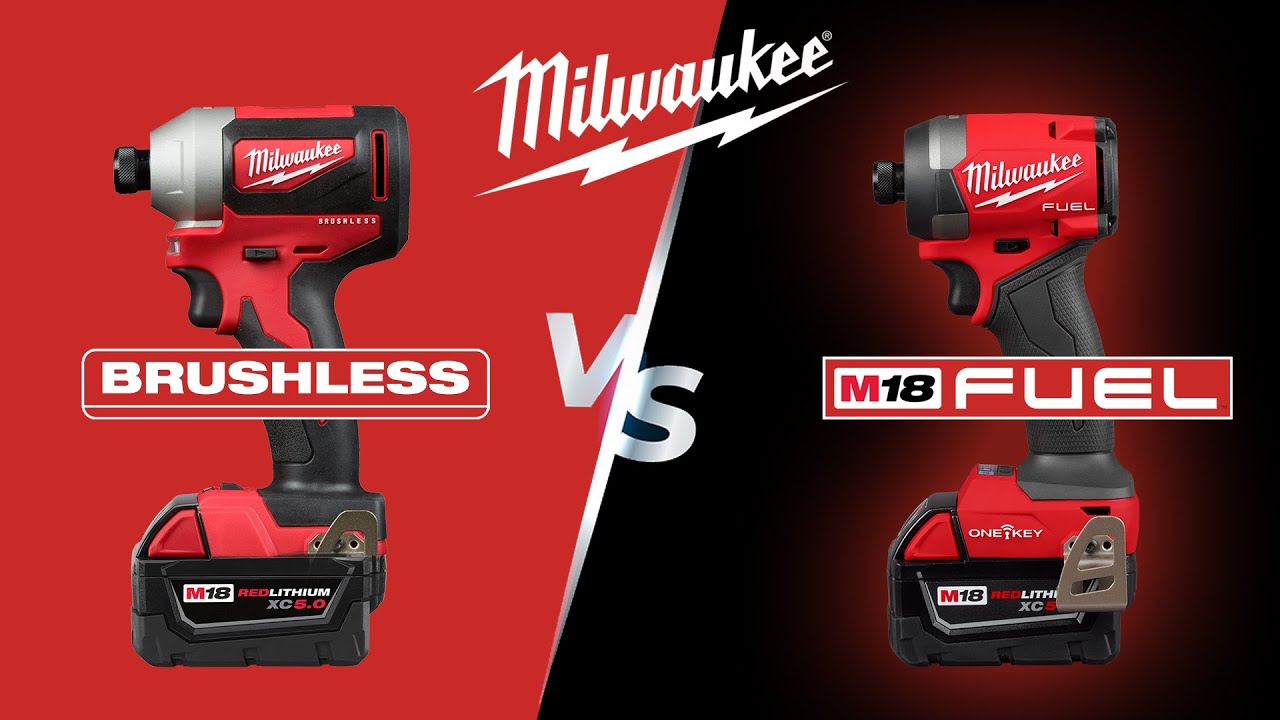
The first and most important difference is the motor. Milwaukee M18 standard drills use brushed motors, while M18 Fuel drills feature brushless motors.
- Brushed motors are older technology. They use brushes to transfer power, which causes friction and heat.
- Brushless motors (in Fuel models) use electronics to transfer power, reducing friction and heat.
Brushless motors are more efficient, last longer, and require less maintenance. This leads to better performance and a longer tool life.
2. Power Output
Another key difference is power. M18 Fuel drills deliver more torque and speed compared to standard M18 drills.
- Standard M18 drills offer enough power for most home tasks.
- M18 Fuel drills are designed for tough, professional jobs.
For example, the M18 Fuel Hammer Drill can produce up to 1,200 in-lbs of torque, while standard M18 drills usually top out around 500–600 in-lbs. This extra power is important if you drill into concrete, thick wood, or metal.

Credit: www.youtube.com
3. Battery Compatibility
Both the M18 and M18 Fuel drills use Milwaukee’s M18 battery system. All M18 batteries fit both lines, including compact and extended capacity packs.
However, Fuel models can use the extra power from High Output or RedLithium batteries more effectively, giving you longer run time and more consistent power.
4. Durability And Build Quality
M18 Fuel drills use higher-quality materials and improved designs to withstand tough jobsite conditions. They often feature metal gear cases, reinforced chucks, and better seals against dust and moisture.
Standard M18 drills are durable, but Fuel models are built for daily professional use and frequent drops or heavy-duty work.
5. Electronics And Tool Intelligence
One hidden difference is the electronics inside the tools. M18 Fuel drills use REDLINK PLUS Intelligence, a smart system that protects the tool and battery from overload, overheating, and over-discharge.
Standard M18 drills use basic electronics, which still protect the tool but not as effectively. REDLINK PLUS also allows for smoother speed control and better precision.
6. Weight And Size
You may be surprised that M18 Fuel drills are often lighter and more compact than standard M18 models. Because brushless motors are smaller and more efficient, the tool can be shorter and lighter.
For example, the M18 Fuel Hammer Drill is about 7.6 inches long and weighs 3.2 lbs, while a similar standard M18 drill is longer and heavier.

Credit: www.reddit.com
7. Price
Price is an obvious difference. Fuel models usually cost $50–$100 more than standard M18 models.
For example, a standard M18 drill/driver kit may cost around $120–$150, while the M18 Fuel version is often $200–$250 (including battery and charger).
If you need maximum power and durability, the extra cost may be worth it. For light home use, the standard M18 might be enough.
8. Performance In Tough Materials
M18 Fuel drills shine in demanding materials like concrete, thick hardwood, or metal. Their brushless motors deliver consistent power even under load.
Standard M18 drills may bog down or stall in tough conditions, while Fuel models keep going.
If you regularly drill large holes, install lag bolts, or use a drill for long periods, Fuel is the better choice.
9. Drill Modes And Features
Fuel models often include extra features:
- Hammer drill mode for masonry
- Multiple speed and torque settings
- Precision clutch with more settings
- Advanced LED lighting
Standard M18 drills have fewer modes and less advanced clutches, but still cover most basic needs.
10. Warranty And Service
Both lines come with Milwaukee’s 5-year limited warranty. However, Fuel models are often prioritized for service by Milwaukee service centers, since they’re designed for professionals.
This means quicker turnaround and easier parts availability for Fuel models.
11. Heat Management
Brushless motors in Fuel drills generate less heat and have better cooling systems. This means you can drill longer without overheating.
Standard M18 drills can get hot after heavy use, which may shorten their life or cause pauses while they cool down.
12. Speed And Torque Settings
Fuel drills often offer more speed options (usually 2 or 3) and higher torque than standard M18 drills.
For example:
- M18 Drill/Driver: 0–450/1,800 RPM, 500 in-lbs torque
- M18 Fuel Drill/Driver: 0–550/2,000 RPM, 1,200 in-lbs torque
This flexibility is useful for switching between small screws and big holes.
13. Chuck Quality And Size
Fuel drills typically have a metal ratcheting chuck that holds bits tighter and lasts longer. Standard M18 drills may use a plastic chuck or a lower-grade metal.
If you use larger bits or need the chuck to hold tight during tough jobs, the Fuel’s chuck is a big plus.
14. Ergonomics And Grip
Fuel drills are designed with better ergonomics and grip comfort. You’ll notice improved handle design, balance, and rubber overmolding for less hand fatigue.
Standard M18 drills are comfortable but not as refined, which can matter if you use your drill all day.
15. Noise And Vibration
Brushless motors in the Fuel line create less noise and vibration. This is noticeable when drilling into hard materials or using the hammer function.
Lower vibration reduces user fatigue and risk of repetitive stress injuries.
16. Tool Control And Customization
Some M18 Fuel drills are compatible with One-Key technology. This allows you to:
- Program speed and torque
- Track the tool via Bluetooth
- Lock the tool if lost or stolen
Standard M18 drills do not have these customization options.
17. Accessory Compatibility
Both lines support the same accessories (bits, cases, belt clips), but Fuel models can use the heaviest-duty accessories without issues.
For example, a Fuel drill can handle large hole saws or auger bits without bogging down or damaging the tool.
18. Target User
Finally, Who Should Use Which Drill?
- M18 Fuel: Best for professionals, contractors, or anyone who needs high power, reliability, and advanced features.
- Standard M18: Good for homeowners, light users, or those on a budget.
If you want a drill that will last years of daily use, go Fuel. For basic repairs, furniture assembly, or DIY, M18 is usually enough.
Side-by-side Comparison Table
To help you see the differences at a glance, here’s a direct comparison of the Milwaukee M18 standard and M18 Fuel drills:
| Feature | M18 Standard | M18 Fuel |
|---|---|---|
| Motor Type | Brushed | Brushless |
| Max Torque | 500–600 in-lbs | 1,200 in-lbs |
| RPM | 0–1,800 | 0–2,000 |
| Battery Compatibility | M18 System | M18 System (optimized for RedLithium) |
| Weight | 3.5–4 lbs | 3.2 lbs |
| Length | 7.75–8 inches | 7.6 inches |
| Warranty | 5 years | 5 years |
| Price (kit) | $120–$150 | $200–$250 |
Real-world Example: Drilling Into Concrete
Let’s say you need to drill multiple holes into a concrete wall. Here’s what happens with each drill:
- Standard M18: Drills slowly, may overheat, battery drains faster. After 5–6 holes, you may need to let it cool.
- M18 Fuel: Drills faster, stays cool, battery lasts longer. Can do twice as many holes before needing a break.
This difference is not just numbers—it saves time and makes work easier.
Data Table: Typical User Feedback (based On Reviews)
Here is a summary of what users often say after using both types:
| Feedback Area | M18 Standard | M18 Fuel |
|---|---|---|
| Power | “Enough for home use” | “Handles anything” |
| Battery Life | “Good for small jobs” | “Lasts all day” |
| Weight | “A bit heavy” | “Surprisingly light” |
| Durability | “Feels solid” | “Takes a beating” |
| Value | “Great for the price” | “Worth the investment” |
Non-obvious Insights Beginners Often Miss
1. Long-Term Cost: While Fuel models cost more at first, their longer life and lower maintenance can save money over years of use. Many pros replace standard drills more often, which adds up.
2. Actual Jobsite Use: Some buyers think they need Fuel, but for light tasks (like hanging pictures or assembling shelves), a standard M18 is often more practical and easier to handle.
3. Battery Choice Matters: Using a high-capacity RedLithium battery with a standard M18 drill can boost its performance noticeably, even if it’s not a Fuel model.
Credit: www.youtube.com
Common Mistakes When Choosing
- Overbuying: Spending extra for Fuel when you don’t need its power or features.
- Underestimating Needs: Buying a standard M18 for heavy-duty work, leading to frustration.
- Ignoring Ergonomics: Not testing grip and balance before buying, which can cause discomfort.
Professional Advice On Picking The Right Drill
- Assess your needs: If you drill into hard material weekly or use your tool for hours each day, go Fuel. For quick home repairs, standard M18 is enough.
- Consider future projects: If you plan to tackle bigger jobs later, investing in Fuel now can save money and hassle.
- Test in-store if possible: Hold both drills to check comfort, weight, and size.
- Look for deals: Sometimes Fuel kits go on sale, making the price gap smaller.
- Check warranty support: Fuel models may get faster service if problems arise.
When To Upgrade From M18 To Fuel
You might start with a standard M18 and later feel you need more power or features. Signs it’s time to upgrade:
- Tool overheats or bogs down on tough jobs
- You need longer battery life
- You want advanced features like One-Key
- You work in harsh conditions (dust, rain, daily drops)
Expert Tip: Match The Drill To The Battery
Pairing an M18 Fuel drill with a high-output battery gives the best results. Even a standard M18 drill works better with a larger battery, especially for long jobs.
How Milwaukee Compares To Other Brands
Milwaukee’s Fuel technology is similar to what DeWalt calls “XR” and Makita calls “LXT”. In independent tests, Milwaukee Fuel often comes out on top for power and durability. For more details, check the official Milwaukee Tool website.
Frequently Asked Questions
What Is The Main Difference Between Milwaukee M18 And M18 Fuel Drills?
The main difference is the motor technology. M18 Fuel drills use a brushless motor (more efficient, powerful, and durable), while standard M18 drills use a brushed motor (older design, less efficient). Fuel drills also have better electronics, more power, and advanced features.
Can I Use The Same Batteries For M18 And M18 Fuel Drills?
Yes, both drill types use the Milwaukee M18 battery platform. Any M18 battery fits both standard and Fuel drills. However, Fuel drills can take better advantage of high-capacity or RedLithium batteries.
Is The Extra Cost Of The Fuel Model Worth It?
If you do heavy-duty work, drill into tough materials, or use your drill daily, the Fuel model is worth the extra money. For basic home repairs or light tasks, the standard M18 is often enough.
Are M18 Fuel Drills Lighter Than Standard M18 Drills?
Yes, in many cases. The brushless motor in Fuel drills is smaller and lighter than the brushed motor in standard M18 drills. This makes Fuel drills more compact and comfortable for long use.
What Does “one-key” Mean In Milwaukee Fuel Drills?
One-Key is a technology in some M18 Fuel drills that lets you customize speed and power, track your tool, and lock it remotely using a smartphone app. Standard M18 drills do not have this feature.
Choosing between Milwaukee’s M18 and M18 Fuel drills comes down to how much power and reliability you need. For demanding jobs, the Fuel line’s brushless motor, advanced electronics, and added features make a real difference. For lighter, occasional work, the standard M18 saves money and still gets the job done.
In both cases, Milwaukee’s quality and battery system make it a top choice for any toolkit.