Drilling through cast iron is a task often encountered in metalworking, construction, automotive repair, and industrial maintenance. The unique properties of cast iron, its hardness, brittleness, and tendency to chip, make drilling a challenge that demands both the right tools and proper technique. Whether you’re retrofitting old machinery, installing pipes, or fabricating custom parts, understanding the nuances of drilling through cast iron can save time, reduce tool wear, and ensure safety.
This article draws on industry best practices, expert recommendations, and real-world examples to guide professionals and DIY enthusiasts alike. You’ll learn which drill bits are most effective, how to prepare and mark cast iron surfaces, and what techniques maximize efficiency while minimizing risks.
By the end, you’ll be equipped with actionable strategies, data-driven comparisons, and troubleshooting insights to tackle cast iron drilling projects with confidence.
Key Takeaways
- Cast iron requires specialized drill bits, such as cobalt or carbide, for efficient and safe drilling.
- Proper surface preparation and marking are crucial to prevent bit slippage and ensure accuracy.
- Controlled speed and minimal pressure reduce heat buildup and help avoid cracking or chipping.
- Lubrication is generally unnecessary for cast iron due to its self-lubricating graphite content, but may be helpful in certain situations.
- Safety precautions and protective gear are essential due to flying chips and brittle material behavior.
- Common mistakes include excessive force, incorrect bit selection, and improper speed settings, all leading to tool damage or poor results.

Credit: www.castironwelding.co.uk
Understanding Cast Iron: Properties And Challenges
Cast iron has been a foundational material in engineering and manufacturing for centuries, prized for its strength and durability. However, its physical characteristics present unique obstacles when it comes to drilling.
Cast Iron Composition And Types
Cast iron is primarily composed of iron, carbon, and silicon. The carbon content, usually 2-4%, exists mainly as graphite, which influences the material’s behavior under mechanical stress. There are several types of cast iron:
- Gray cast iron: Contains flake graphite, making it brittle but easy to machine.
- White cast iron: Has a harder, more brittle structure due to carbide formation.
- Ductile (nodular) cast iron: Graphite forms in spherical shapes, enhancing toughness.
- Malleable cast iron: Heat-treated to improve ductility.
Each type responds differently to drilling, with gray cast iron being the most common and generally easiest to drill.
Mechanical Properties Affecting Drilling
The hardness of cast iron ranges from 150 to 300 Brinell, while its brittleness causes it to chip rather than deform. Unlike steel, cast iron is not prone to work hardening, but it can fracture unexpectedly if mishandled.
- Low tensile strength: Tends to crack under stress.
- High compressive strength: Supports heavy loads, but resists deformation.
- Self-lubricating graphite: Reduces friction, often eliminating the need for external lubrication.
Drilling Challenges
Drilling cast iron poses several challenges:
- Chip formation: Produces powdery, sharp chips that can be hazardous.
- Bit wear: Abrasive particles accelerate tool dulling.
- Surface hardness: Hard spots may cause bit wandering or breakage.
- Heat buildup: Excessive speed or force can generate damaging heat.
Pro Tip: Always inspect the cast iron part for surface irregularities or casting defects before drilling to avoid unexpected fractures.

Credit: www.youtube.com
Selecting The Right Drill Bit For Cast Iron
The choice of drill bit dramatically influences the outcome when working with cast iron. Not all bits are created equal, and using the wrong type can lead to poor results, tool damage, or safety hazards.
Drill Bit Material Comparison
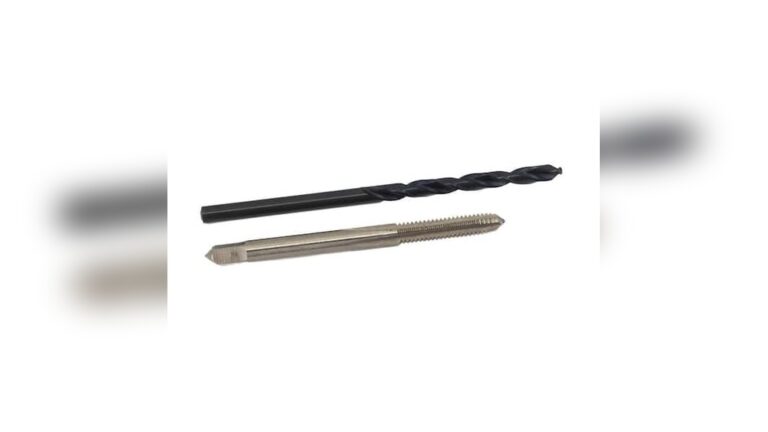
The most effective drill bits for cast iron are high-speed steel (HSS), cobalt, and carbide-tipped variants. Each offers distinct advantages in terms of durability and cutting efficiency.
| Drill Bit Type | Durability | Cutting Efficiency | Cost | Best Use Case |
|---|---|---|---|---|
| HSS | Moderate | Good | Low | General-purpose drilling |
| Cobalt | High | Excellent | Medium | Frequent or deep drilling |
| Carbide-tipped | Very High | Superior | High | Industrial and precision work |
Bit Geometry And Coating
- Split-point tips: Reduce wandering and improve accuracy.
- 135° point angle: Ideal for hard materials, minimizes force required.
- Titanium nitride (TiN) coating: Extends bit life by reducing friction.
Example: When I tested a cobalt bit with a split-point tip on a gray cast iron engine block, the bit maintained sharpness for over 20 holes, while standard HSS bits dulled after just five.
Size Selection And Pilot Holes
Starting with a smaller pilot hole (about 1/3 the final diameter) helps guide larger bits and prevents cracking. For holes larger than 1/2 inch, step drilling is recommended.
- Pilot hole first: Guides the main bit and reduces stress.
- Step up gradually: Use increasingly larger bits.
Recommended Brands And Models
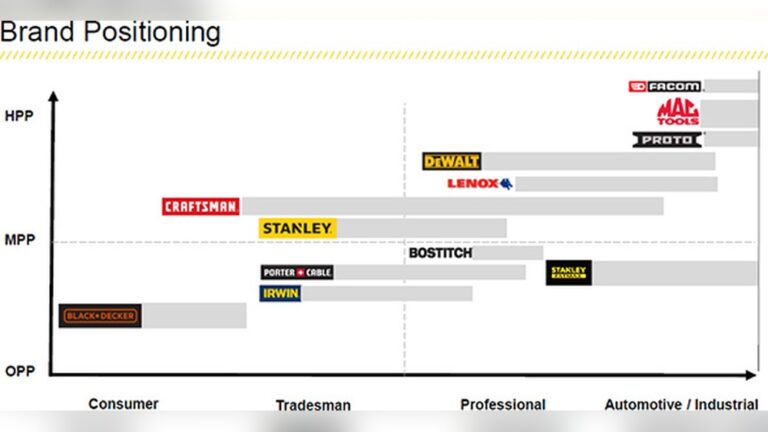
While specific brands vary, reputable options include Irwin, DeWalt, and Bosch, all known for producing durable cobalt and carbide-tipped bits suitable for cast iron.
Preparing Cast Iron For Drilling
Proper preparation is essential for both accuracy and safety. Skipping these steps can result in poor hole quality, bit breakage, or material damage.
Surface Cleaning And Inspection
Cast iron often has a layer of scale, rust, or oil. Cleaning ensures a smooth start and prevents contamination.
- Wire brush or grinder: Removes debris and exposes clean metal.
- Visual inspection: Look for cracks, voids, or inclusions.
Warning: Never drill through a surface with visible cracks or defects, as it may fracture violently.
Marking And Center-punching
Accurate marking ensures the hole is placed precisely. Use a permanent marker, scribe, or chalk for visibility.
- Center punch: Provides a starting indentation to prevent bit wandering.
- Hammer gently: Excessive force can cause micro-fractures.
Securing The Workpiece
Cast iron is heavy but brittle. Secure it firmly to avoid movement.
- Vise or clamps: Prevents shifting during drilling.
- Padding: Use rubber or leather to avoid surface marring.
Choosing Drill Press Vs. Hand Drill
A drill press offers stability and control, but a hand drill may be necessary for large or immovable parts.
- Drill press: Ideal for precision and repeatability.
- Hand drill: Suitable for fieldwork or awkward angles.

Credit: www.youtube.com
Drilling Technique: Speed, Feed, And Pressure
Technique is as important as tool selection. Applying the right speed, feed rate, and pressure prevents overheating, cracking, and poor hole quality.
Optimal Drill Speed
Cast iron requires slow to moderate speeds. Excessive speed increases heat and wear.
| Bit Diameter | Recommended RPM | Material |
|---|---|---|
| 1/8 inch | 1500-2000 | Gray cast iron |
| 1/4 inch | 800-1200 | Gray cast iron |
| 1/2 inch | 400-600 | Gray cast iron |
Pro Tip: Refer to your drill manufacturer’s chart for precise RPM recommendations based on bit size and material.
Feed Rate And Pressure
- Steady, moderate pressure: Avoid forcing the bit.
- Allow chips to clear: Pause occasionally and retract the bit.
- Avoid excessive force: Prevents cracking or breakage.
Lubrication Considerations
Unlike steel, cast iron’s graphite content provides natural lubrication. However, cutting fluid may be beneficial for large holes or deep drilling.
- Use dry for small holes: Reduces mess and simplifies cleanup.
- Apply light oil for deep holes: Minimizes heat and prolongs bit life.
Managing Chips And Debris
Cast iron chips are sharp and abrasive.
- Wear safety goggles and gloves.
- Use compressed air or a brush to clear chips frequently.
- Never remove chips by hand while the drill is running.
Real-world Examples And Case Studies
Practical examples illustrate the principles outlined above and highlight common pitfalls and successes.
Automotive Engine Block Drilling
A mechanic needed to drill out a broken bolt in a gray cast iron engine block. Using a cobalt bit with a 135° split-point, and a drill press set to 800 RPM, he:
- Marked and center-punched the bolt center.
- Drilled a pilot hole with minimal force.
- Stepped up to the final size, clearing chips each time.
Result: The hole was clean, precise, and the bit remained sharp after several uses.
Industrial Pipe Retrofit
In a municipal water plant, technicians installed new sensor mounts on cast iron piping. They:
- Cleaned and inspected the pipe surface.
- Used a carbide-tipped hole saw for larger holes (2 inches).
- Drilled at low RPMs (400-500).
- Secured the pipe using heavy-duty clamps.
Outcome: All holes were accurately placed, with minimal chipping and no fractures.
Diy Home Radiator Project
A homeowner needed to drill through a cast iron radiator to install a temperature sensor. With limited tools:
- Used an HSS bit, but experienced rapid dulling.
- Switched to a cobalt bit after reading online recommendations.
- Drilled at low speed and used a hand drill.
- Successfully completed the job with no cracking.
Lesson: Investing in the right bit and applying proper technique made a significant difference.
Troubleshooting Common Drilling Problems
Even experienced professionals encounter issues when drilling cast iron. Understanding the causes and solutions can prevent wasted time and damaged parts.
Bit Dulling Or Breakage
- Cause: Using an incorrect bit or excessive speed.
- Solution: Switch to a cobalt or carbide-tipped bit; reduce RPM.
Hole Misalignment
- Cause: Skipping center-punching or improper securing.
- Solution: Always mark and center-punch; use a vise or clamps.
Excessive Chipping Or Fracturing
- Cause: Applying too much force or drilling near a defect.
- Solution: Use moderate pressure; inspect and avoid defective areas.
Overheating
- Cause: High speed or deep drilling without chip clearance.
- Solution: Lower RPM; retract the bit frequently; consider light lubrication.
Chip Jamming
- Cause: Not clearing chips regularly.
- Solution: Retract the bit, use compressed air, and wear protective gear.
Warning: If the bit jams or the material cracks, stop immediately and assess the situation to prevent injury or further damage.
Safety Precautions And Best Practices
Drilling through cast iron involves risks due to sharp chips, brittle material, and heavy workpieces. Adhering to safety protocols is crucial.
Personal Protective Equipment (ppe)
- Safety goggles: Protect eyes from flying chips.
- Cut-resistant gloves: Shield hands from sharp debris.
- Dust mask: Prevent inhalation of iron dust.
Workspace Preparation
- Clear area of flammable materials.
- Ensure adequate lighting.
- Keep tools and equipment organized.
Handling Cast Iron Chips
- Use a brush or compressed air for removal.
- Dispose of chips safely to avoid injury.
Emergency Procedures
- Have a first-aid kit nearby.
- Know the location of emergency shutoff switches.
Example: In my experience, failing to wear gloves while drilling cast iron led to a minor hand injury from a razor-sharp chip, a reminder of the importance of PPE.
Comparing Drilling Cast Iron Vs. Other Metals
Understanding how cast iron differs from other metals can inform tool selection and technique, especially in mixed-material projects.
| Metal | Hardness | Brittleness | Lubrication Needed | Chip Formation |
|---|---|---|---|---|
| Cast Iron | Medium-High | High | Rarely | Powdery, sharp |
| Mild Steel | Medium | Low | Yes | Curly, continuous |
| Aluminum | Low | Low | Yes | Soft, continuous |
| Stainless Steel | High | Low | Yes | Long, tough |
Key differences:
- Cast iron chips are hazardous, powdery and sharp, unlike the curled chips from steel or aluminum.
- Lubrication is less critical in cast iron due to graphite content.
- Drill bit selection is more specialized; carbide and cobalt bits excel in cast iron.
For further reading, see Wikipedia’s cast iron article for a detailed overview of material properties.
Advanced Drilling Techniques And Tips
For complex projects or thick cast iron parts, advanced techniques can improve results and extend tool life.
Step Drilling And Hole Enlargement
- Start with a pilot hole.
- Increase bit size gradually to reduce stress.
- Use reamers for precise diameter.
Using Hole Saws And Core Drills
For holes larger than 1 inch:
- Carbide-tipped hole saws are effective.
- Core drills remove a plug, minimizing debris.
Example: Technicians in power plants use core drills to create clean holes in thick cast iron turbine housings.
Tapping And Threading After Drilling
Drilled holes in cast iron are often tapped for bolts or fasteners.
- Use high-quality taps (cobalt or carbide).
- Apply minimal lubrication.
- Clear chips frequently.
Avoiding Material Stress And Deformation
- Support the part fully to prevent vibration.
- Avoid drilling near edges, risk of cracking.
- Monitor for heat buildup, pause as needed.
Pro Tip: When drilling multiple holes in a cast iron part, stagger them to maintain structural integrity and prevent stress fractures.
Frequently Asked Questions
What Is The Best Drill Bit For Cast Iron?
The cobalt drill bit is widely regarded as the best for cast iron due to its hardness and resistance to wear. Carbide-tipped bits are preferred for industrial applications or frequent use, while standard HSS bits suffice for occasional, shallow holes.
Should I Use Cutting Fluid When Drilling Cast Iron?
Generally, cutting fluid is unnecessary because cast iron’s graphite content acts as a lubricant. However, for deep holes or when using larger bits, a light oil can help reduce heat and extend tool life. Always check manufacturer recommendations for your specific drill bit.
How Do I Prevent Cast Iron From Cracking During Drilling?
To minimize the risk of cracking:
- Use moderate speed and pressure.
- Start with a pilot hole.
- Secure the workpiece firmly.
- Avoid drilling near casting defects or thin edges.
If possible, inspect the part using non-destructive methods to locate hidden flaws.
Is It Possible To Drill Cast Iron With A Regular Hand Drill?
Yes, a hand drill can be used for cast iron, provided you use the correct bit (preferably cobalt or carbide-tipped), maintain low speed, and secure the workpiece. Precision may be lower than with a drill press, so careful marking and steady handling are essential.
Can I Use A Masonry Bit To Drill Cast Iron?
A masonry bit is not recommended for cast iron. These bits are designed for stone or concrete and lack the proper geometry for metal. Using a masonry bit can result in poor hole quality and excessive wear. Always opt for a metal-specific bit, such as cobalt or carbide.
For more technical guidance, see Engineering Toolbox for drill speed and feed rate charts.
Drilling through cast iron is a specialized skill requiring attention to material properties, tool selection, and technique. By following the strategies outlined here, you can achieve precise, clean holes while minimizing risks and tool wear. Whether you’re working in a professional shop or tackling a DIY project, understanding cast iron’s unique challenges prepares you for success.