Choosing between the Kobalt 24V drill and the DeWalt 20V drill is a common challenge for both new DIYers and experienced professionals. Both brands promise power, reliability, and ease of use, but their tools are not identical. If you’re planning to add a cordless drill to your toolbox, understanding the key differences and similarities will save you time, money, and frustration. This guide goes deep into every aspect that matters, from battery life to handling, so you can make a confident decision.
Why The Right Drill Matters
A cordless drill is more than just a tool; it’s often the backbone of home improvement projects and repairs. The wrong choice can leave you with a tool that drains quickly, feels heavy, or lacks the power to finish your job.
Kobalt and DeWalt are two of the most popular brands in the market, but their designs, technology, and user experience differ in subtle yet important ways.
Brand Overview: Kobalt And Dewalt
Before comparing the drills, it’s helpful to understand what each brand stands for.
Kobalt, a brand owned by Lowe’s, is known for affordable power tools aimed at homeowners and casual professionals. Their 24V Max line is relatively new but has gained popularity for solid performance at a good price.
DeWalt is a long-established leader in the power tool industry. Their 20V Max platform is trusted by professionals for its durability and battery technology. DeWalt drills cost more, but users expect top-level performance.
Both brands offer wide ecosystems—batteries, chargers, and compatible tools—but their approaches to design, support, and innovation differ.
Core Features: Side-by-side
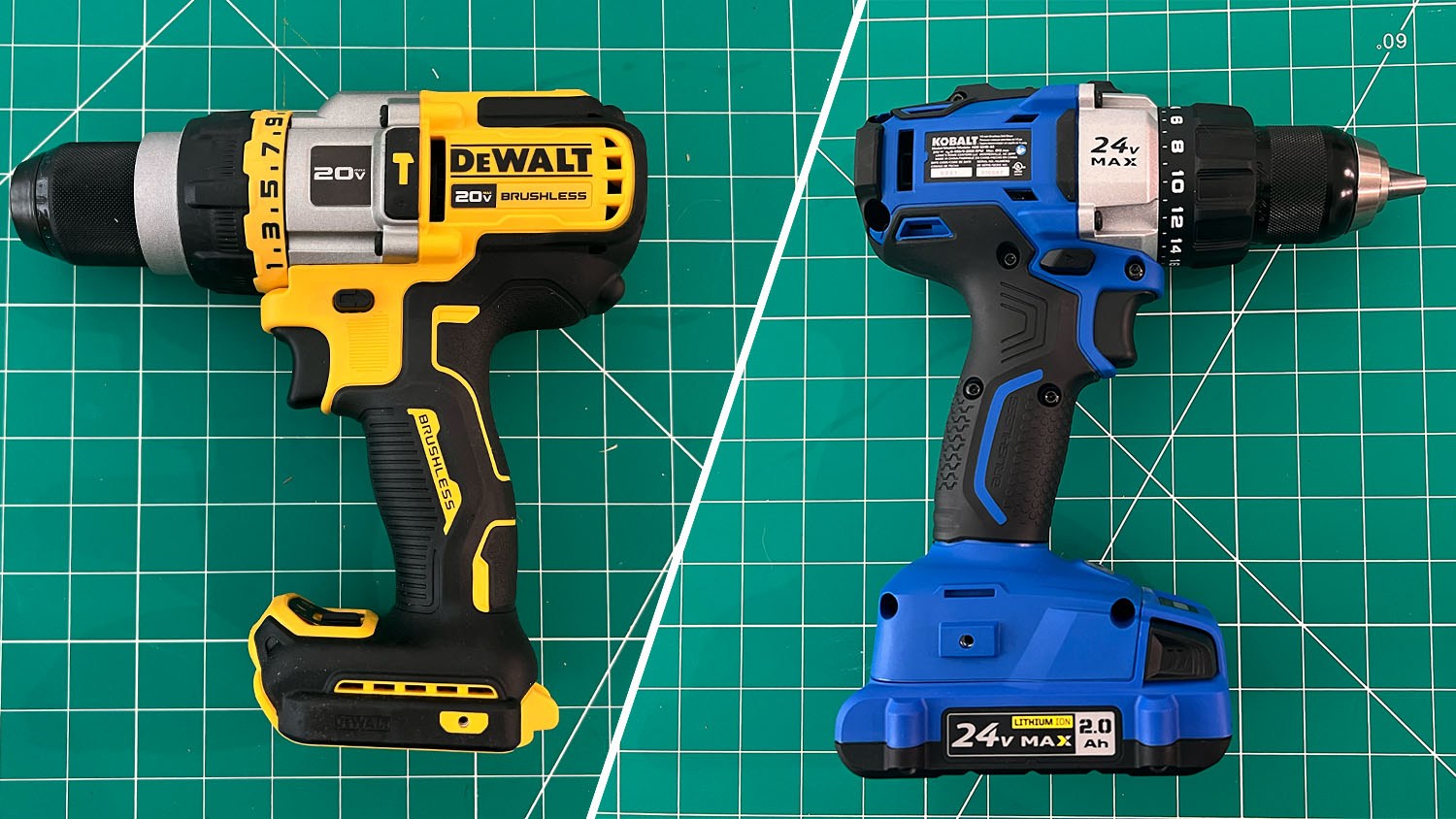
To start, let’s look at the main specifications of the most popular models: the Kobalt 24V Max Brushless Drill/Driver and the DeWalt 20V Max XR Brushless Drill/Driver.
| Feature | Kobalt 24V Max | DeWalt 20V Max XR |
|---|---|---|
| Voltage | 24V (actual 21.6V nominal) | 20V (actual 18V nominal) |
| Motor | Brushless | Brushless |
| Max Torque | 650 in-lbs | 530 in-lbs |
| Chuck Size | 1/2 inch | 1/2 inch |
| Speed Settings | 2 | 2 |
| Weight (with battery) | 4.0 lbs | 3.5 lbs |
| LED Light | Yes | Yes |
| Warranty | 5 years (tool), 3 years (battery) | 3 years (tool), 3 years (battery) |
Both drills are strong, but the Kobalt model offers a slightly higher torque, while the DeWalt is lighter and known for better ergonomics.
Battery System: Power And Compatibility
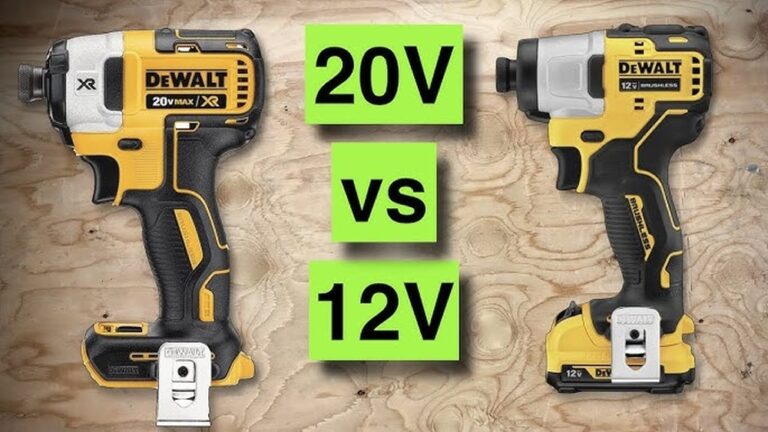
One of the most confusing points for buyers is battery voltage and compatibility. The Kobalt is labeled “24V” and DeWalt “20V,” but the numbers don’t tell the whole story.
Voltage Reality
Both brands use lithium-ion batteries. The “24V” and “20V” labels are marketing terms. Kobalt’s 24V battery has a nominal voltage of 21. 6V (6 cells at 3. 6V each), while DeWalt’s 20V battery is actually 18V (5 cells at 3.
6V each). In practice, the power difference is not as big as the numbers suggest.
Runtime And Charging
Battery amp-hour (Ah) ratings matter more for how long you can work. Both brands offer batteries from 2.0Ah up to 6.0Ah and beyond. Generally, a higher Ah means more runtime but also more weight.
Charging times are fast for both systems. Kobalt’s 4. 0Ah battery can charge in about 1 hour. DeWalt’s similar battery takes about 75-90 minutes with standard chargers, but their “fast charger” can cut this almost in half.
Ecosystem Compatibility
- Kobalt’s 24V Max batteries fit all its 24V tools, but are not backward-compatible with Kobalt’s older 20V or 40V lines.
- DeWalt 20V Max batteries work with all 20V Max tools and most 20V Max XR and Atomic series tools. DeWalt’s FlexVolt batteries can even power their 20V Max tools, offering extra flexibility.
If you already own tools from one brand, staying in that battery system saves money and hassle.
Power And Performance
When it comes to drilling holes or driving screws, torque and speed are key. Higher torque means more turning power for tough jobs.
Real-world Power
The Kobalt 24V drill produces up to 650 in-lbs of torque, compared to DeWalt’s 530 in-lbs. On paper, Kobalt wins, but real-world performance depends on the task. For drilling large holes or driving long screws, Kobalt’s extra torque is noticeable.
However, DeWalt’s brushless motor is highly efficient. In repeated tests, it drills and drives at nearly the same speed as Kobalt, but usually with smoother starts and less heat build-up.
Clutch And Speed Control
Both drills offer a 2-speed gearbox and adjustable clutch settings. The Kobalt clutch is easier to turn with gloves, while DeWalt’s clicks into place more firmly. This matters for tasks requiring precision, like cabinetry.
Non-obvious Insight
Many beginners overlook that bit quality and technique impact drilling performance as much as drill specs. Investing in high-quality bits can make a mid-range drill perform like a high-end model. Also, using the correct clutch setting prevents stripped screws and tool wear.
Ergonomics And Handling
Drill power is useless if the tool is uncomfortable. Let’s look at weight, grip, and balance.
Size And Weight
The DeWalt drill is about 0.5 lbs lighter than the Kobalt, which you’ll feel during overhead or extended use. Its handle is slimmer, which fits most hands better—especially users with smaller hands.
Kobalt’s drill is a bit bulkier, especially with the larger 4. 0Ah battery. For users with large hands or those who prefer a robust grip, this feels more secure.
Balance
Both tools are well-balanced, but DeWalt’s lower center of gravity makes it less tiring to hold for long periods. Kobalt’s battery sits slightly further back, which can make the drill feel “tail heavy” with bigger batteries.
Vibration And Noise
DeWalt’s advanced motor dampens vibration and reduces noise compared to Kobalt. This matters if you work in tight spaces or for long periods.
Non-obvious Insight
Many buyers forget to test drills with the battery attached. Always check the tool’s balance in the store with the battery you plan to use. A well-balanced tool is safer and less likely to cause hand fatigue.
Durability And Build Quality
Drills are often dropped, tossed in tool bags, and exposed to dust. How do these models hold up?
Materials And Protection
Kobalt uses a mix of hard plastic and rubber overmolding, which resists scuffs and drops. DeWalt’s shell is mostly composite plastic, reinforced at stress points, and has a “contractor grade” reputation.
Both chucks are metal, but DeWalt’s all-metal ratcheting chuck is considered more durable for repeated bit changes.
Water And Dust Resistance
Neither drill is fully waterproof or dustproof, but DeWalt’s sealing around the motor and switch is slightly better. This is important for worksites with sawdust, drywall dust, or light rain.
Warranty
Kobalt offers a 5-year warranty on the tool (industry-leading for its price) and 3 years on the battery. DeWalt provides a 3-year limited warranty, but with excellent service and fast turnaround.
Features And Usability
Drills today come with more than just a trigger and a chuck. What extras do you get?
Led Lights
Both Kobalt and DeWalt include a built-in LED light near the trigger. DeWalt’s light is brighter and has a “spotlight mode” that stays on for 20 seconds after releasing the trigger. This is useful when working in dark corners or under sinks.
Belt Clip And Bit Holder
DeWalt always includes a sturdy belt clip and a magnetic bit holder. Kobalt sometimes includes a belt hook, but not always a bit holder. Consider this if you often work on ladders or move around with your drill.
Battery Level Indicator
Kobalt batteries have a clear, three-bar power indicator. DeWalt’s 20V batteries also feature a fuel gauge, but it’s more subtle. Knowing your battery level helps avoid sudden stops during a job.
Case And Accessories
Kobalt usually comes with a hard plastic case, charger, and at least one battery. DeWalt’s kits sometimes include a soft bag, but their premium models come with stackable TSTAK or ToughSystem cases, which are better for professionals who want to organize tools.

Credit: www.youtube.com
Price And Value
Cost is a deciding factor for many users, but “cheapest” doesn’t always mean “best value. ”
Kit Pricing
Kobalt 24V drill kits (drill, charger, one 2.0Ah battery) are often priced around $99–$129. Kits with a 4.0Ah battery and case can go up to $179.
DeWalt 20V Max XR kits (drill, charger, one 2.0Ah battery) usually start at $149–$179. Kits with two batteries, a charger, and a case can reach $229 or more.
Long-term Value
Kobalt offers more torque for less money, with a longer standard warranty. DeWalt’s higher price is justified by better ergonomics, lighter weight, and a more extensive tool ecosystem.
Resale And Reputation
DeWalt drills hold value better on the used market. Their reputation makes them easier to sell or trade if you upgrade later.
Practical Use Cases
Who Should Choose Kobalt, And Who Should Choose Dewalt?
Kobalt 24v Drill Best For:
- Homeowners and DIYers who want maximum torque for tough jobs.
- Users who prefer a longer warranty for peace of mind.
- Those on a budget who still want brushless motor technology.
- Anyone who already owns other Kobalt 24V tools.
Dewalt 20v Drill Best For:
- Professionals who need a lightweight, balanced tool for all-day use.
- People with smaller hands or those who value ergonomics.
- Users planning to expand into DeWalt’s ecosystem (saws, lights, etc. ).
- Anyone who works in tough conditions and needs proven durability.
Common Mistakes When Choosing
- Focusing only on voltage. The numbers “24V” vs. “20V” are not the only measure of power. Look at torque and battery amp-hour ratings.
- Ignoring tool weight. A heavier drill can be tiring; consider the tool with the battery attached.
- Not considering the tool ecosystem. If you plan to buy more tools, stick with one brand for battery compatibility.
- Overlooking warranty and service. A longer warranty can save you money if the tool breaks.
- Choosing the cheapest kit. Some cheap kits come with low-capacity batteries or lack important accessories.
Real-world User Feedback
User reviews provide insights beyond specs:
- Kobalt users praise the drill’s power and warranty, but some report the tool feels bulky after long use.
- DeWalt users love the comfort and reliability, but wish the kits were more affordable.
- Both brands receive high marks for brushless motor efficiency and battery life.
Many users switch brands only if they need a feature unique to the other system.

Credit: smallboatsmonthly.com
Table: Pros And Cons At A Glance
Here’s a quick summary for easy comparison.
| Feature | Kobalt 24V Max | DeWalt 20V Max XR |
|---|---|---|
| Power/Torque | More torque, good for tough jobs | Strong, but less than Kobalt |
| Weight & Comfort | Heavier, bulkier handle | Lighter, better balance |
| Battery Ecosystem | Limited to 24V tools | Huge range of tools & FlexVolt |
| Warranty | 5 years (tool) | 3 years (tool) |
| Price | Lower, better value for torque | Higher, but resale value |
| Accessories | Usually includes case | Better bag/case options |
Which Drill Should You Choose?
If you need maximum torque for heavy-duty projects, and you want the best value for your dollar, the Kobalt 24V is a smart pick. It performs well for deck building, framing, or driving large lag screws.
If you prefer a lighter, more comfortable drill for daily use, especially on the job site, DeWalt’s 20V Max XR is a better fit. Its established battery ecosystem and service network are important for professionals.
Your choice should match your main needs: power vs. comfort, price vs. ecosystem, and the kind of projects you tackle most.
Credit: bestreviews.com
Extra Tips For Buyers
- Try holding both drills in the store. Comfort in your hand is as important as specs.
- Check what’s included in the kit (number of batteries, charger type, case).
- Think about future tool purchases—sticking with one brand saves money.
- Register your tool online for warranty support. Some brands require it for full coverage.
- Watch for sales during holidays—both brands offer bundle deals.
Where To Learn More
For deeper technical details, the official DeWalt Power Tools page offers specifications and comparison charts.
Frequently Asked Questions
Is Kobalt 24v Really More Powerful Than Dewalt 20v?
Kobalt’s 24V drill offers slightly higher torque (650 in-lbs vs. DeWalt’s 530 in-lbs). However, real-world performance also depends on battery quality, bit sharpness, and material. For heavy-duty tasks, Kobalt has an edge, but DeWalt’s efficient motor narrows the gap.
Are Kobalt And Dewalt Batteries Interchangeable?
No. Kobalt 24V batteries only work with Kobalt’s 24V Max tools. DeWalt 20V Max batteries work with all DeWalt 20V Max tools and some FlexVolt tools, but not with Kobalt tools.
Which Drill Is Better For Beginners?
Both are good, but Kobalt is better for value and power, while DeWalt is lighter and easier to handle. Beginners with smaller hands or those who plan to buy more tools may prefer DeWalt.
How Long Do The Batteries Last On A Single Charge?
With a 2. 0Ah battery, both drills can drive about 150-200 3-inch screws in pine. Larger 4. 0Ah batteries can double this. Actual runtime depends on material, bit, and user technique.
Is The Higher Price Of Dewalt Justified?
Yes, for professionals or users who need lighter weight, better balance, and a large tool ecosystem. The price also reflects DeWalt’s strong reputation, resale value, and extensive service network.
Choosing between the Kobalt 24V drill and the DeWalt 20V drill is not just about numbers. Consider the kind of projects you do, how the tool feels in your hand, and where you want to expand your tool collection. Both brands offer quality, but your specific needs will make one a better fit. Take your time, try them in person, and you’ll make a choice you’ll be happy with for years.