Choosing the right drill can feel overwhelming, especially when two of the biggest names, Ridgid and DeWalt, are in the spotlight. Homeowners, DIYers, and professionals all want tools that are powerful, reliable, and easy to use. The truth is, both brands offer impressive drills—but their differences can make one a better fit for your needs than the other. Whether you’re drilling holes in wood, driving screws into metal, or tackling stubborn concrete, your drill choice matters. In this guide, we’ll break down every detail you need to compare Ridgid vs DeWalt drills—from power and build quality to price, warranty, and real-world performance—so you can buy with confidence.
Brand Background And Reputation
Ridgid and DeWalt are two trusted names in the power tool world, but they have different histories and brand images.
DeWalt started in 1924 in Pennsylvania, USA. Over the decades, it became a symbol of professional-grade tools. Contractors and construction workers often choose DeWalt because they’re known for durability and innovation. DeWalt is a part of Stanley Black & Decker, a massive global company.
Ridgid launched in 1923 in Ohio, USA. It’s famous for industrial and plumbing tools. Today, Ridgid is owned by Emerson Electric, and their power tools are usually sold through Home Depot. Ridgid tools are often seen as tough, practical, and affordable, making them popular with both professionals and serious DIYers.
Both brands have loyal fans, but DeWalt is a bit more visible on big job sites, while Ridgid often appeals to value-focused buyers who still want pro-level performance.
Product Lineup And Drill Types
Both Ridgid and DeWalt offer a wide range of drills, but their lineups have some differences.
DeWalt provides:
- Cordless drills (12V, 20V, 60V)
- Corded drills
- Hammer drills
- Drill/drivers
- Impact drivers
- Right-angle drills
- Brushless and brushed models
Ridgid offers:
- Cordless drills (mainly 18V)
- Corded drills (limited selection)
- Hammer drills
- Drill/drivers
- Impact drivers
- Right-angle drills
- Mostly brushless options in newer lines
DeWalt covers a wider range of voltages and has more specialty drills. Ridgid focuses on 18V cordless tools, which is a “sweet spot” for most home and job site tasks. If you want a drill with a unique feature (like flex-volt or compact size), DeWalt usually has more choices.
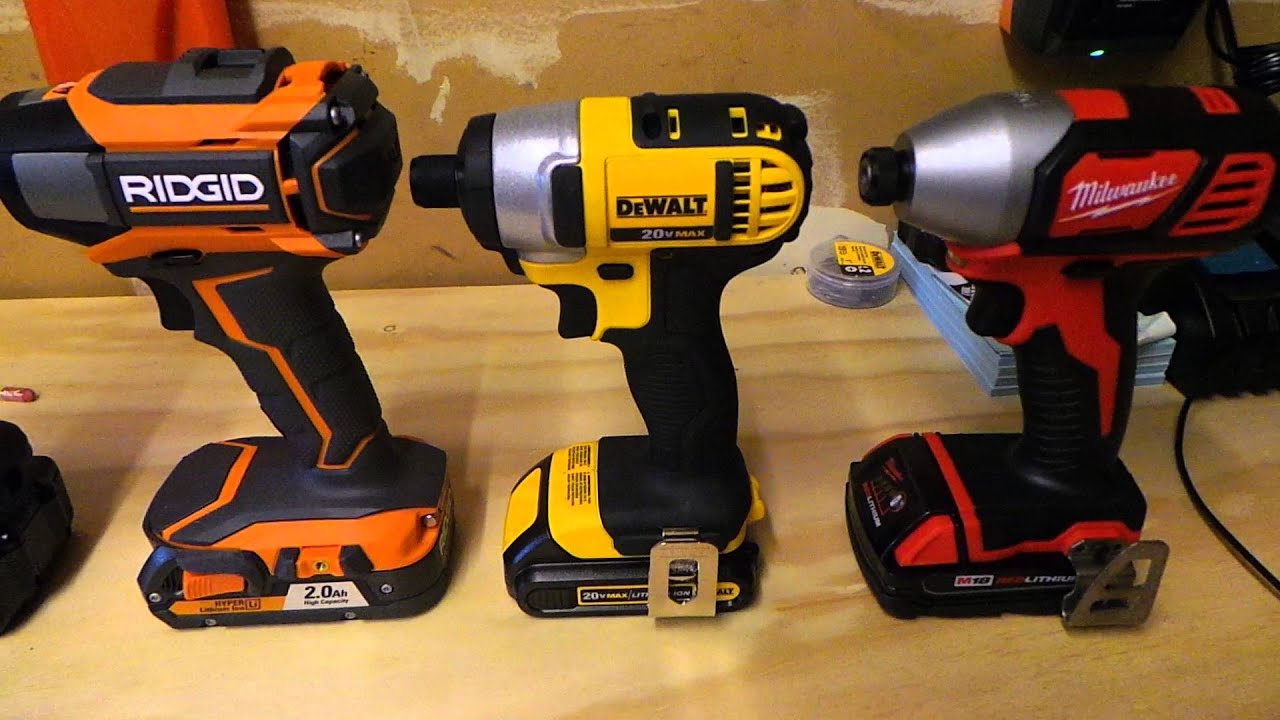
Credit: www.youtube.com
Build Quality And Durability
The build quality of your drill affects how long it will last and how it feels in your hand.
DeWalt drills are famous for:
- High-impact plastic housings
- Metal gearboxes in mid/high-end models
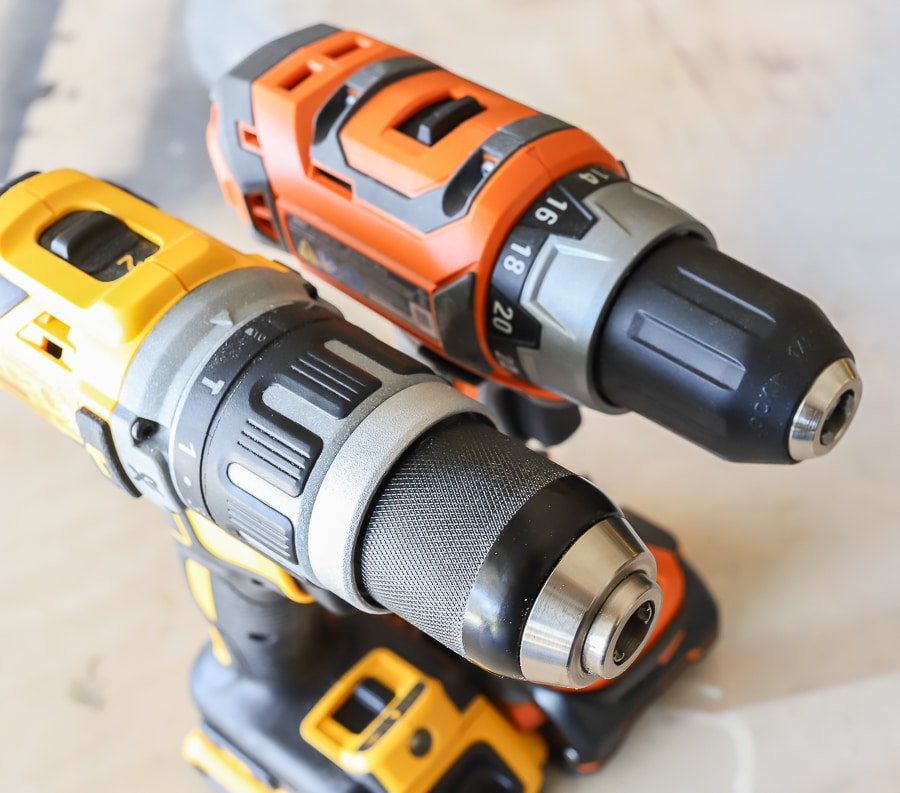
- All-metal chucks on premium drills
- Strong motor design for heavy-duty use
Ridgid drills also impress with:
- Durable plastic and rubber overmolds
- Metal gears in many models
- Sturdy chucks (some are metal, some are composite)
- Solid weight and feel
In job site drop tests, DeWalt drills often survive heavy punishment, thanks to their robust shells and tight construction. Ridgid drills are also tough, but sometimes their chucks and switches feel less refined than DeWalt’s top models.
One insight many beginners miss: DeWalt’s premium drills (XR and Atomic series) use higher-grade materials than their basic models. Ridgid’s top drills are also well-made, but their entry-level tools can feel bulkier and less balanced.
Power And Performance
When it comes to performance, both brands deliver strong results. However, their power ratings and real-world effectiveness can differ.
Battery Voltage And Power Output
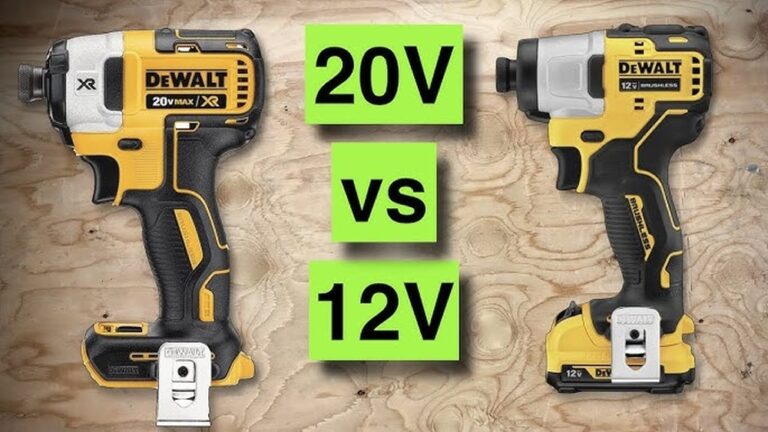
DeWalt is famous for its 20V MAX line (actually 18V nominal, but marketed as 20V). They also have a 12V line for compact work, and a unique 60V FLEXVOLT system for extreme tasks.
Ridgid mainly offers 18V drills. Their batteries use high-quality cells, and their Octane line uses smart technology for extra power.
Torque And Speed
Let’s compare typical specs for both brands’ flagship drill/drivers:
| Brand & Model | Max Torque | Max RPM | Battery Voltage |
|---|---|---|---|
| DeWalt DCD996 (XR Hammer Drill) | 820 in-lbs | 2,250 rpm | 20V |
| Ridgid R86116 (Gen5X Brushless) | 700 in-lbs | 2,000 rpm | 18V |
DeWalt usually edges ahead in raw torque and speed, especially in their high-end drills. This means they can handle big bits and dense material with less bogging down. Ridgid is not far behind, and their drills offer plenty of power for common jobs like drilling wood, metal, and masonry.
Real-world Use
On the job, both drills can:
- Bore large holes in 2x4s
- Drive long screws into hard wood
- Mix drywall mud (with the right attachment)
But if you often work with thick steel, concrete, or do heavy-duty work all day, DeWalt’s top drills may feel a bit stronger and more efficient. For most home and light professional use, Ridgid performs very well and rarely feels underpowered.
Battery Technology And Runtime
Battery performance is a key factor—nobody wants to stop work for charging.
Battery Types And Sizes
DeWalt offers:
- Lithium-ion batteries (1.3Ah to 12.0Ah)
- FLEXVOLT batteries (switch between 20V and 60V)
- XR batteries for longer life
Ridgid provides:
- Lithium-ion batteries (2.0Ah to 9.0Ah)
- Octane batteries (smart chips for more power on Octane tools)
- Standard and high-capacity packs
Runtime In Practice
A DeWalt 20V 5.0Ah battery can drive over 600 3-inch screws on a single charge in a test. Ridgid’s 18V 4.0Ah battery typically drives about 500–550 similar screws. For most users, both offer plenty of runtime for a full day’s work, but DeWalt’s extra amp-hours and efficient brushless motors can push them slightly ahead, especially with FLEXVOLT packs.
One detail beginners often overlook: Battery compatibility across tools is important. DeWalt’s 20V batteries fit over 200 tools. Ridgid’s 18V packs also fit many tools, but the ecosystem is smaller.
Charging Speed
DeWalt chargers often bring a 5. 0Ah battery from empty to full in about 60–75 minutes. Ridgid’s fast chargers can fill a 4. 0Ah pack in roughly the same time. Both brands offer dual and rapid chargers, but DeWalt’s premium chargers are usually a bit faster overall.
Ergonomics And User Comfort
How a drill feels in your hand can make or break your experience, especially during long projects.
DeWalt drills are:
- Well-balanced
- Slightly lighter (for comparable models)
- Have slim, rubberized grips
- Often feature LED work lights at the base
Ridgid drills are:
- Ergonomic with overmold grips
- Usually a bit bulkier and heavier
- Also feature bright LEDs
- Sometimes have extra grip texture
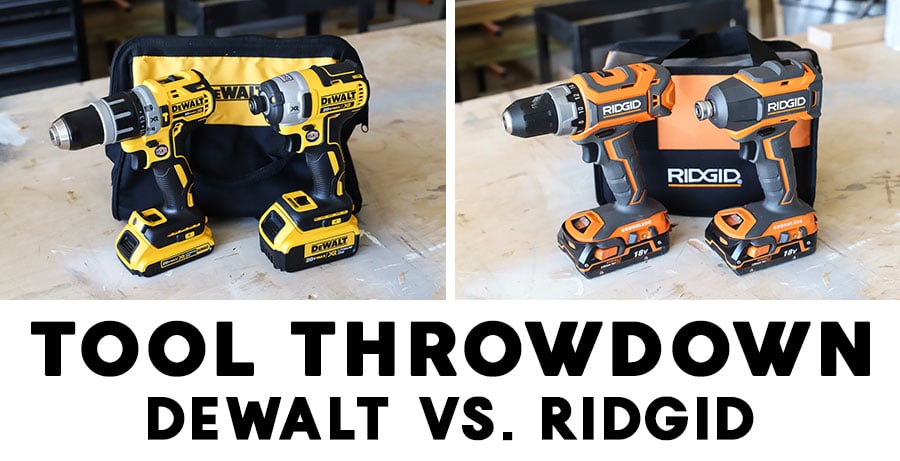
For people with smaller hands or those who drill overhead, DeWalt’s weight and balance can reduce fatigue. Ridgid’s larger grip may feel more stable for users with bigger hands or when wearing gloves.
A non-obvious insight: Trigger sensitivity and clutch settings often feel more precise on DeWalt drills, which helps with delicate tasks like driving small screws or drilling pilot holes.
Credit: jenwoodhouse.com
Features And Technology
Both brands pack features into their top drills, but there are differences.
Common Features
- LED work lights (both brands)
- Multiple clutch settings (both brands)
- Variable speed triggers (both brands)
- Brushless motors (mid- and high-end models)
Unique Features
DeWalt:
- 3-speed gearboxes on premium models
- FLEXVOLT compatibility (unique battery tech)
- Tool Connect (Bluetooth tracking on some models)
- Compact “Atomic” series for tight spaces
Ridgid:
- Micro-clutch settings (more precise torque control)
- Octane technology (tool/battery communication for max power)
- Lifetime Service Agreement (unique warranty, see below)
Some features, like Bluetooth tracking and FLEXVOLT batteries, are only found on DeWalt. Ridgid’s micro-clutch and Octane smart power are helpful for users who want more control and battery value.
Price And Value
Price is always a big factor, and here the brands part ways a bit.
Typical Pricing
- DeWalt basic drill/driver kit: $99–$149 (with battery)
- DeWalt XR hammer drill kit: $199–$279
- Ridgid basic drill/driver kit: $89–$129
- Ridgid brushless hammer drill kit: $149–$199
Generally, Ridgid drills are 10–20% less expensive than DeWalt for similar features. For example, a Ridgid brushless kit with two batteries and a charger often costs less than a DeWalt XR kit.
Value For Money
Ridgid offers strong value, especially with their Lifetime Service Agreement (more on this below). DeWalt’s higher price reflects their pro reputation, features, and sometimes better resale value.
A detail many miss: DeWalt’s sales and combo kits can close the price gap, so during promotions, the cost difference is sometimes less.
Credit: jenwoodhouse.com
Warranty And Customer Support
Warranty is where Ridgid stands out.
Ridgid offers a Lifetime Service Agreement for most power tools if you register within 90 days. This covers:
- Free parts
- Free service
- Even battery replacements
DeWalt provides:
- 3-year limited warranty
- 1-year free service
- 90-day money-back guarantee
DeWalt’s warranty is good, but Ridgid’s is among the best in the business. However, some users report that claiming Ridgid’s lifetime service can be slow or involve paperwork. DeWalt’s support is usually faster and more streamlined.
One insight: If you plan to keep your drill for many years, Ridgid’s warranty can save serious money on batteries and repairs. But if you want quick service and support, DeWalt’s reputation is strong.
Accessory Compatibility And Ecosystem
Your drill is rarely the only tool you need. Ecosystem matters, especially if you want to expand your collection.
DeWalt:
- Huge 20V MAX line (over 200 tools)
- Batteries fit saws, lights, nailers, and more
- Easy to find accessories and parts
Ridgid:
- Solid 18V line (over 50 tools)
- Batteries fit most Ridgid cordless tools
- Accessories mainly at Home Depot
DeWalt’s system is bigger, so if you want to add other tools later, you’ll have more options. Ridgid’s ecosystem is solid but smaller.
A real-world example: A homeowner starts with a DeWalt drill, then adds a DeWalt circular saw and impact driver later, all using the same batteries. Ridgid users can do the same, but with fewer tool choices.
Pros And Cons: Ridgid Vs Dewalt Drill
Let’s sum up the main advantages and disadvantages of each brand.
Ridgid Drill Pros
- Great value for money
- Lifetime Service Agreement (if registered)
- Strong battery life
- Tough build for the price
- Good power for most jobs
- Comfortable grip for larger hands
Ridgid Drill Cons
- Heavier and bulkier than some competitors
- Ecosystem is smaller
- Warranty claims can be slow
- Less refined switches and chucks
- Fewer specialty tools
Dewalt Drill Pros
- Excellent build quality
- High torque and speed
- Wide ecosystem of tools
- Faster, reliable support
- More features in premium models
- Better ergonomics for smaller hands
Dewalt Drill Cons
- Higher price
- Shorter warranty than Ridgid
- Some basic models are less powerful
- FLEXVOLT batteries are expensive
- Some accessories cost more
Choosing The Right Drill For Your Needs
Picking between Ridgid and DeWalt depends on how you’ll use your drill.
For Homeowners And Diyers
- Ridgid is a smart choice if you want value, a strong warranty, and plan to buy most tools at Home Depot.
- DeWalt is a great pick if you want a lighter drill, more tool options, or plan to expand your workshop.
For Professionals And Contractors
- DeWalt stands out for heavy-duty tasks, all-day use, and job site abuse.
- Ridgid can work well for pros on a budget or those who value the lifetime warranty.
For Beginners
- Ridgid is forgiving, cost-effective, and less risky if you’re unsure how much you’ll use your drill.
- DeWalt offers more room to grow and resell value if you upgrade later.
Real-world Case Studies
Case 1: The Weekend Diyer
Sara wants a drill for fixing shelves, assembling furniture, and hanging curtains. She chooses a Ridgid 18V brushless drill/driver kit for under $120. After three years, it still works well, and she’s happy with the battery performance. She likes the warranty, though she hasn’t needed it yet.
Case 2: The Professional Remodeler
Tom is a contractor who drills hundreds of holes each week in wood, metal, and masonry. He buys the DeWalt DCD996 XR hammer drill. The drill powers through tough tasks, and the batteries last all day. Tom appreciates the precise clutch, fast charger, and the tool’s balance during overhead work.
Case 3: The Expanding Workshop
Juan buys a DeWalt 20V drill/driver kit on sale. Next year, he adds a DeWalt impact driver and circular saw, all using the same batteries. The large tool ecosystem saves him money and shelf space, and he likes that he can find DeWalt accessories anywhere.
Case 4: The Warranty Seeker
Emily wants a drill she’ll never have to replace. She picks a Ridgid kit, registers it right away, and likes knowing battery replacements are covered. When her charger fails after four years, she gets a free replacement, though it takes a few weeks.
Head-to-head Comparison: Ridgid Vs Dewalt Drill
Here’s a quick side-by-side look at both brands’ top models:
| Feature | Ridgid R86116 (Gen5X) | DeWalt DCD996 (XR) |
|---|---|---|
| Max Torque | 700 in-lbs | 820 in-lbs |
| RPM (Max) | 2,000 | 2,250 |
| Weight (w/ battery) | 4.6 lbs | 4.1 lbs |
| Warranty | Lifetime Service Agreement | 3 Years |
| Price (kit) | $179 | $249 |
Expert Tips For Buying The Right Drill
- Test the grip in store if possible. Comfort is personal.
- Check battery compatibility with other tools you might buy.
- Look for combo kit deals—sometimes you get an extra tool for only $20 more.
- Register your Ridgid tool right after buying to get the lifetime service.
- Buy the highest Ah battery you can afford—longer runtime is always useful.
- Don’t overpay for features you won’t use (like Bluetooth, unless you need tracking).
- Read real user reviews for feedback on reliability and customer service.
Common Mistakes When Choosing A Drill
- Ignoring the warranty. A long warranty can save you money.
- Buying the biggest drill “just in case.” Bigger drills are heavier and harder to control for small tasks.
- Overlooking battery cost. Extra batteries can be expensive, especially for DeWalt.
- Not considering future tool needs. The ecosystem matters if you plan to expand.
- Forgetting about weight. A heavy drill can cause arm fatigue.
When To Choose Ridgid, When To Choose Dewalt
Choose Ridgid if:
- You want the best warranty
- You’re price-sensitive but want pro features
- You buy most tools at Home Depot
- Weight isn’t a big concern
Choose DeWalt if:
- You need top performance and torque
- You want the biggest tool family
- Ergonomics are a priority
- You value quick and easy support
Frequently Asked Questions
Is Ridgid Or Dewalt Better For Beginners?
Both are good, but Ridgid is often better for beginners due to lower price and the Lifetime Service Agreement. It’s forgiving if you make mistakes and need a replacement. DeWalt is great if you want to build a bigger tool set in the future.
Can Ridgid And Dewalt Batteries Be Used Interchangeably?
No. Ridgid batteries only work with Ridgid tools, and DeWalt batteries only work with DeWalt tools. Each brand has its own design, so you can’t swap them.
Which Brand Has Better Service And Support?
DeWalt usually has faster and more streamlined support, especially for quick repairs and replacements. Ridgid offers a longer warranty, but the process can be slower.
Are Ridgid Drills Powerful Enough For Professional Work?
Yes. Ridgid’s top brushless drills are strong enough for most pro jobs, including drilling wood, metal, and even some concrete. However, DeWalt’s premium models are stronger for heavy-duty, all-day use.
Where Can I Find More Information About Drill Specs And Reviews?
You can find detailed specs and user reviews on the official sites and trusted sources like Pro Tool Reviews.
Finding the right drill is about matching your needs to the tool’s strengths. Ridgid and DeWalt both make excellent drills, but their differences mean one will fit your hand, project, and budget better than the other. Consider your real needs, test if you can, and choose with confidence—you’ll be building, fixing, and creating in no time.