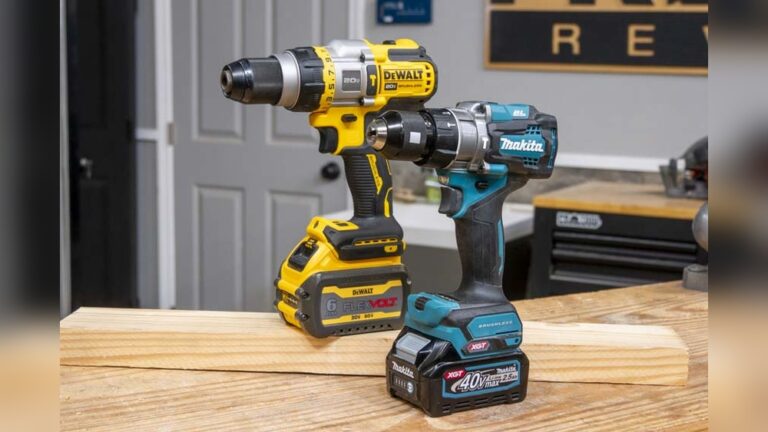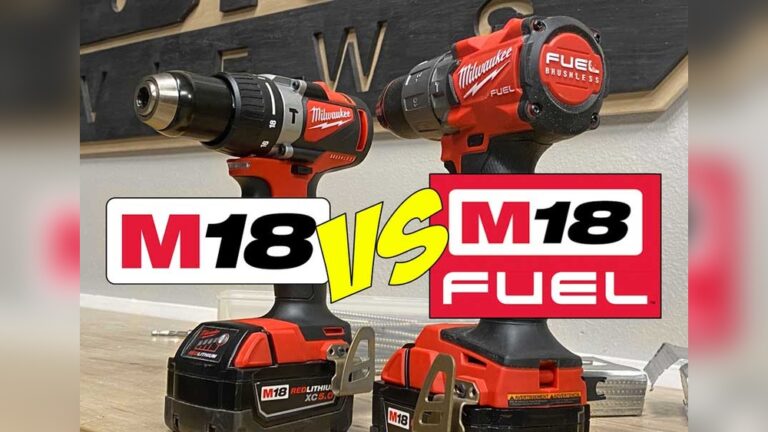
Power tools are everywhere, but when it comes to cordless drills, two brands often rise to the top: Greenworks and DeWalt. Whether you’re a DIY beginner or a seasoned contractor, choosing the right drill can make your projects smoother, faster, and much less frustrating. But which one should you pick? Both brands have loyal fans and years of innovation behind their tools. Some people say DeWalt has more power; others claim Greenworks is easier on the wallet and better for the environment. So, which is the right choice for you?
In this guide, you’ll find a full, honest comparison of Greenworks vs DeWalt drills. We’ll look at what makes each brand special, how their drills perform in real-world use, and which one offers the best value for your needs. You’ll also see data, examples, and direct feature comparisons—plus answers to questions most people forget to ask. By the end, you’ll know exactly which drill to trust for your next job.
Brand Backgrounds: Greenworks And Dewalt
Understanding the companies behind the tools helps you see the bigger picture. Each brand brings something different to the table.
Greenworks: The Eco-friendly Challenger
Greenworks started in 2007, focusing on battery-powered tools for home and garden. Their main goal is to cut down on gas and cords, making tools that are both powerful and better for the planet. They use modern lithium-ion batteries and often target homeowners, gardeners, and DIY fans who want clean, quiet tools. Greenworks has grown fast, offering everything from drills and saws to mowers and chainsaws.
Non-obvious insight: Greenworks is known for cross-compatible batteries—their 24V and 40V battery lines can power dozens of tools, which saves money and reduces waste.
Dewalt: The Professional’s Favorite
DeWalt is a legend in the tool world. Founded in 1924, they’re famous for making heavy-duty, reliable tools for professionals and serious hobbyists. DeWalt’s bright yellow tools are common on construction sites everywhere. Their cordless drills, powered by the 20V MAX and FLEXVOLT systems, are built for tough tasks and long life. DeWalt also invests heavily in tool innovation, offering brushless motors, smart electronics, and rugged designs.
Non-obvious insight: DeWalt often uses metal gearboxes and high-grade materials even in mid-range models, which boosts durability but can add weight.
Drill Lineups: What’s Offered
Both brands sell a range of cordless drills, but their lineups have some important differences.
Greenworks Drill Range
Greenworks mainly targets homeowners and light-duty users. Their drills usually come in 24V or 40V battery systems. The most popular models are:
- Greenworks 24V Cordless Drill/Driver (brushless and brushed versions)
- Greenworks 24V Hammer Drill
- Greenworks 24V Impact Driver
They focus on comfort, simplicity, and battery life over raw power. Most Greenworks drills are sold as kits (with battery and charger) at mid- to low-range prices.
Dewalt Drill Range
DeWalt offers a much wider range, from compact 12V drills to powerful 60V FLEXVOLT monsters. Key models include:
- DeWalt 20V MAX Cordless Drill/Driver
- DeWalt 20V MAX XR Brushless Drill/Driver
- DeWalt 20V MAX Hammer Drill
- DeWalt 20V MAX Impact Driver
- DeWalt 12V Xtreme Subcompact Drill
DeWalt targets everyone from homeowners to professional builders. Their lineup includes combo kits, bare tools, and specialty drills for masonry, metal, and woodworking.
Direct Comparison
Here’s a side-by-side look at what each brand offers:
| Feature | Greenworks | DeWalt |
|---|---|---|
| Main Voltage | 24V, 40V | 12V, 20V, 60V |
| Target User | DIY, homeowner | DIY, professional |
| Number of Models | Fewer (5-6 core drills) | Many (15+ drill models) |
| Price Range | Low to mid | Mid to high |
| Battery Cross-Compatibility | Strong | Strong |
Credit: www.ebay.com
Performance: Power, Speed, And Torque
A drill’s real value comes down to how it performs on the job. Let’s break down the technical differences and what they mean for you.
Power And Torque
- DeWalt drills are known for high torque, with many 20V MAX models delivering up to 800 in-lbs of torque (for brushless hammer drills). That means they can drive large screws, bore big holes, and handle tough materials like hardwood and metal.
- Greenworks drills usually offer less torque—most 24V models top out around 350-400 in-lbs. This is plenty for most home tasks (drywall, softwood, light metal) but can struggle with heavy-duty jobs.
Speed (rpm)
- DeWalt often provides two speed settings: A low gear for torque (0-550 RPM) and a high gear for speed (0-1,750+ RPM).
- Greenworks drills usually have similar dual-speed triggers but max out at slightly lower top speeds (typically 0-1,450 RPM).
Real-world Example
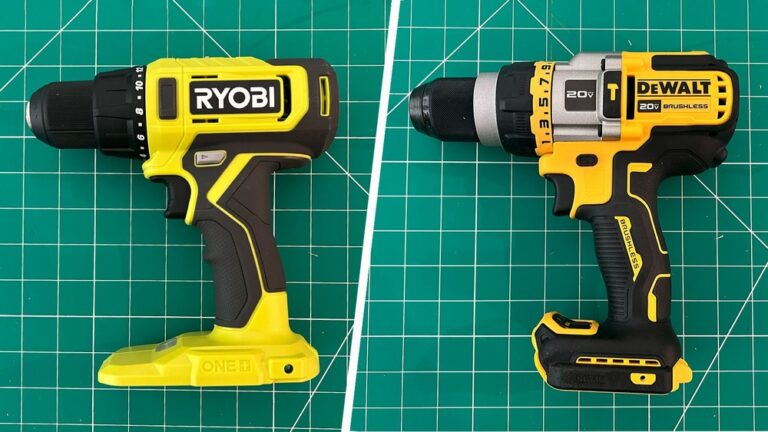
Imagine you’re building a deck. Driving 3-inch deck screws into pressure-treated lumber is much easier with a DeWalt 20V MAX XR (high torque, fast speed) than with a Greenworks 24V drill (lower torque). For assembling furniture or drilling into drywall, both will work fine.
Hammer Function
- DeWalt offers hammer drills (for masonry/concrete) in most lines, with high blows-per-minute (BPM) ratings.
- Greenworks also sells a 24V hammer drill but with less impact force—good for light concrete but slower in tough brick.
Battery Life And Charging
Cordless tool performance depends heavily on the battery. Both brands use lithium-ion technology, but their systems differ in voltage, capacity, and compatibility.
Battery Voltage And Capacity
- Greenworks: 24V batteries typically range from 2.0Ah to 4.0Ah. The higher voltage gives a bit more power per cell than 20V, but real-world differences are small due to battery design.
- DeWalt: 20V MAX batteries come in 1.5Ah to 5.0Ah (and up to 12Ah for FLEXVOLT). More amp-hours means longer run time.
Runtime In Real Use
- A Greenworks 24V drill with a 2.0Ah battery can drive about 150-200 2-inch screws on a single charge.
- A DeWalt 20V MAX XR with a 2.0Ah battery typically drives 200-250 2-inch screws.
Charging Time
- Greenworks chargers usually take 60-90 minutes for a full charge.
- DeWalt’s fast chargers can refill a 2.0Ah battery in 30-40 minutes.
Battery Compatibility
Both brands allow you to use the same battery across many tools. However, DeWalt’s ecosystem is much bigger (dozens of drills, saws, sanders, and more), which is a plus if you plan to build a tool collection.

Credit: www.youtube.com
Ergonomics, Weight, And Build Quality
A drill’s feel in your hand matters more than most people think. If a tool is too heavy, unbalanced, or awkward, you’ll get tired quickly.
Greenworks Ergonomics
- Greenworks drills are generally lighter (3.0-3.5 lbs with battery) and have slimmer grips, which makes them comfortable for small hands and overhead work.
- Their cases are made mostly from durable plastic. Some users say the grip texture is a bit hard, but most find them easy to hold.
Dewalt Ergonomics
- DeWalt drills are often heavier (3.5-4.5 lbs with battery) due to larger motors and metal parts. But their balance is excellent, and the rubber-overmold grip is widely praised for comfort.
- DeWalt’s build quality feels more “industrial”—tight tolerances, clicky switches, and solid chucks.
Durability
- DeWalt drills handle drops, dust, and rain better—one reason they’re so common on job sites.
- Greenworks drills are tough enough for home use but may show wear faster in harsh conditions.
Features And Innovations
Both companies add smart features to make drilling safer, easier, and more flexible.
Greenworks Standout Features
- LED Work Light: Most models include a bright LED at the base.
- Battery Indicator: Shows how much charge is left.
- Compact Design: Shorter front-to-back length for tight spaces.
- Easy Bit Changes: Keyless chucks for fast swaps.
Dewalt Standout Features
- Brushless Motors: Longer life, more power, and better efficiency (XR models).
- All-Metal Chuck: Strong grip on bits, less slipping.
- 3-Mode LED Light: Variable brightness, spotlight mode on premium models.
- Belt Hook and Bit Holder: Handy for quick access.
- Tool Connect (Bluetooth): Track your tool with a smartphone (pro models).
Non-obvious insight: DeWalt’s Precision Drive mode (on some impact drivers) helps prevent stripping screws, a feature Greenworks lacks.

Credit: www.aconcordcarpenter.com
Price And Value For Money
Cost is always a factor, but so is what you get for your money. Here’s how prices compare.
Greenworks Pricing
- Kits (drill, battery, charger): $80–$150
- Bare tool (no battery): $50–$90
- Replacement battery: $40–$70
Greenworks offers strong value for light-duty users. You can often buy a full kit for less than a DeWalt bare tool.
Dewalt Pricing
- Kits (drill, battery, charger): $120–$250
- Bare tool: $70–$150
- Replacement battery: $50–$120
DeWalt’s higher price reflects better materials, extra features, and pro-level performance. But you do pay more, especially for XR and FLEXVOLT models.
Value Comparison Table
Here’s how a typical mid-range kit from each brand stacks up:
| Brand | Voltage | Battery Included | Max Torque (in-lbs) | Price (USD) | Intended User |
|---|---|---|---|---|---|
| Greenworks | 24V | 2.0Ah | 350 | 110 | Homeowner |
| DeWalt | 20V MAX | 2.0Ah | 500 | 170 | DIY/Pro |
Warranty And Customer Support
A good warranty is a sign the company stands behind its tools.
Greenworks Warranty
- Drills: 3-year limited warranty
- Batteries: 2-year warranty
- Support: Online chat, phone, and email
Greenworks is responsive but may not have as many local service centers as bigger brands.
Dewalt Warranty
- Drills: 3-year limited warranty, 1-year free service, 90-day money-back guarantee
- Batteries: 2-3 years (depending on model)
- Support: Large network of service centers, fast parts delivery
DeWalt’s warranty is more generous, and their wide service network is a plus if you need repairs.
Pros And Cons: Greenworks Vs Dewalt Drill
Summing up, here’s where each brand shines—and where it falls short.
Greenworks Pros
- Affordable kits and batteries
- Lightweight and easy to handle
- Eco-friendly (no gas, low noise)
- Good for small hands or long use
- Simple controls—great for beginners
Greenworks Cons
- Lower power for tough jobs
- Fewer models and accessories
- Not ideal for daily pro use
- Some parts feel less rugged
Dewalt Pros
- High power and torque
- Built to last in tough conditions
- Wide range of models and options
- Strong battery system (many tools)
- Great resale value
Dewalt Cons
- Higher cost for kits and batteries
- Heavier—may tire out some users
- Some models are overkill for simple jobs
Which Should You Choose?
The right drill depends on what you do most.
- Pick Greenworks if you want a light, affordable, and eco-friendly drill for home repairs, assembling furniture, or gardening projects. It’s the smart choice for light to medium tasks and occasional use.
- Pick DeWalt if you need maximum power, durability, and flexibility for renovations, building decks, or working on construction sites. It’s the go-to for serious DIYers and pros.
For most homeowners, Greenworks covers 90% of tasks at a lower price. For demanding jobs or daily use, DeWalt is worth the investment.
Common Mistakes When Choosing A Drill
Many buyers focus only on price or voltage. Here are mistakes to avoid:
- Ignoring torque: High voltage doesn’t always mean more power. Check the max torque for real performance.
- Buying the wrong kit: Make sure batteries and chargers are included. Some “bare tool” deals save money but cost more later.
- Overestimating needs: A pro-level drill may be heavier and more expensive than you need for simple projects.
- Forgetting battery compatibility: If you already own tools from one brand, sticking with the same system saves money.
Real User Experiences
Online reviews show both brands have happy users, but for different reasons.
- Greenworks owners praise the light weight, quiet operation, and low cost. “I used it for building shelves, and it never felt heavy,” says one review.
- DeWalt fans love the raw power and reliability. “My DeWalt drill has survived drops from a ladder and still works like new,” writes a contractor.
Non-obvious insight: Battery life can change a lot in cold weather. DeWalt’s batteries tend to hold up better in freezing temperatures than Greenworks, a detail that matters if you work outdoors in winter.
Environmental Impact
Both brands are better for the environment than old corded or gas-powered tools.
- Greenworks markets itself as a green choice, using recyclable packaging and batteries.
- DeWalt also recycles batteries and is part of industry programs for tool recycling.
If sustainability is a top priority, Greenworks is slightly ahead, but both brands are better than gas or corded options.
Where To Buy And What To Look For
You can find both Greenworks and DeWalt drills at most big retailers (Home Depot, Lowe’s, Amazon, etc. ). Look for seasonal sales, as both brands often offer discounts and bundle deals.
Before you buy, check:
- Battery and charger included?
- Tool weight with battery?
- Warranty details
- Availability of replacement parts
If you want more detail about the brands, you can visit the DeWalt Wikipedia page for in-depth company history.
Frequently Asked Questions
Which Brand Is Better For Beginners: Greenworks Or Dewalt?
Greenworks is usually better for beginners. The drills are lighter, easier to hold, and the controls are simple. Most Greenworks kits include everything you need (drill, battery, charger) at a lower price. If you only do basic home projects, you won’t miss the extra power of DeWalt.
Can I Use Greenworks Batteries In Dewalt Drills?
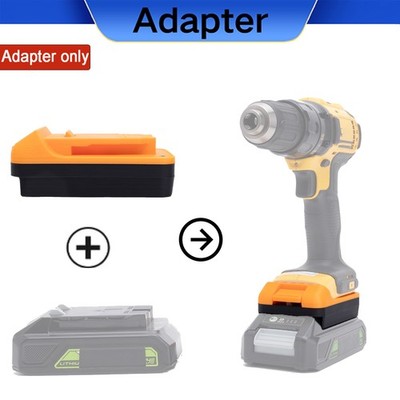
No, you cannot. Each brand uses a unique battery shape and voltage system. Greenworks batteries work only in Greenworks tools, and DeWalt batteries fit only DeWalt tools. Always buy extra batteries from the same brand and voltage line as your drill.
Are Greenworks Drills Powerful Enough For Masonry Or Concrete?
Greenworks does sell a 24V hammer drill, which can handle light masonry (like soft brick or thin concrete). But if you often drill into concrete or stone, DeWalt’s hammer drills are much more powerful and faster. For heavy-duty masonry, DeWalt is the better choice.
What Is The Main Reason Professionals Choose Dewalt?
DeWalt drills are built for tough use. Pros choose DeWalt for its high torque, strong build, and long-lasting batteries. They’re reliable on job sites, where tools take a beating and need to perform all day. DeWalt also has a huge range of compatible tools for every task.
Which Brand Offers A Better Warranty?
Both brands offer a 3-year limited warranty on drills, but DeWalt adds a 1-year free service and a 90-day money-back guarantee. DeWalt also has more service centers and faster parts availability. For most users, DeWalt’s warranty is slightly better—especially if you need fast repairs.
—
Choosing between Greenworks and DeWalt drills comes down to your needs, budget, and how much power you require. Both brands deliver quality, but their strengths are different. Take your time, consider your main projects, and pick the tool that will help you build with confidence and ease.