Choosing the right power drill can make all the difference whether you’re a professional, a DIY enthusiast, or just someone who wants to hang a few shelves at home. Two brands often stand out when people talk about quality, reliability, and performance: Bosch and Milwaukee. Both have a long history and a loyal user base. But which one should you choose? The answer isn’t simple. Each brand has strengths, unique features, and areas where it shines. This article dives deep into the comparison between Bosch and Milwaukee drills, covering design, performance, battery systems, durability, user experience, pricing, and more. By the end, you’ll have a clear understanding of which brand fits your needs best.
Brand Background And Reputation
Bosch: German Engineering And Consistency
Bosch is a German company with over a century of experience in engineering and electronics. Known for building reliable and efficient tools, Bosch has earned its place in workshops around the world. The company focuses on precision, innovation, and user safety. Bosch drills are often praised for their solid build and smart features, such as advanced clutches and variable speed controls. Professionals appreciate Bosch for its consistency and durability, but DIYers also enjoy the approachable price range and easy-to-use designs.
Milwaukee: American Innovation And Power
Founded in 1924, Milwaukee Tool has a reputation for tough, high-performance tools designed for heavy-duty use. The brand targets professionals who work in demanding environments, especially in construction, plumbing, and electrical work. Milwaukee invests heavily in research and development, releasing new features and technologies that often set trends in the industry. Their drills are known for power, long-lasting batteries, and ergonomic designs that survive rough job sites.
Why Brand Matters
Choosing a brand isn’t just about the logo. It’s about service, warranty, and the peace of mind that comes with years of experience. Bosch and Milwaukee both offer good support, but Milwaukee often stands out for its no-nonsense five-year warranty on power tools, while Bosch usually offers a standard one-year warranty with options to extend if you register your tool.
Design And Ergonomics
Bosch: Balanced And Precise
Bosch drills are designed to feel comfortable in your hand. The grip is usually soft, with textured rubber that prevents slipping. Most Bosch models are slightly lighter than Milwaukee, which reduces fatigue during long use. The weight balance is another highlight—Bosch drills often feel centered, making it easier to control for tasks that need accuracy, like drilling into tile or assembling furniture.
One feature that sets Bosch apart is their compact design. Many Bosch cordless drills fit into tight spaces, ideal for cabinetry or working under sinks. Their LED lighting is bright and well-positioned, reducing shadows when working in dim areas.
Milwaukee: Robust And Rugged
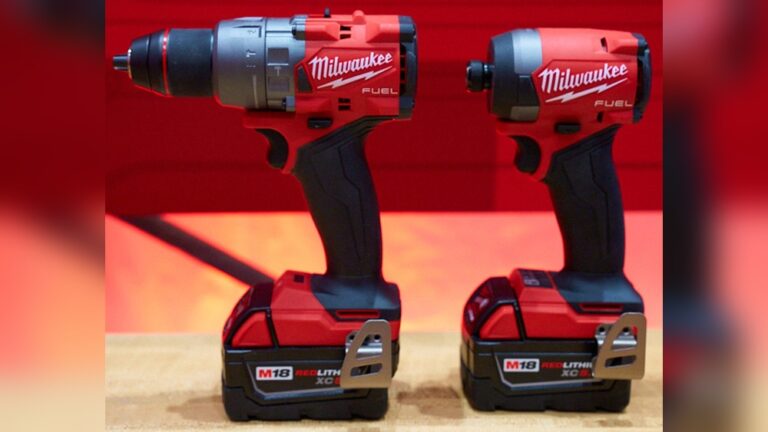
Milwaukee drills look and feel tough. The grip is a bit larger, which some users with big hands prefer. Milwaukee’s signature red casing is made from strong materials that can take a beating. Many models have a metal chuck, which adds durability for heavy-duty jobs.
While Milwaukee drills can be heavier than Bosch, this often translates to higher torque and stability. For tasks like drilling large holes in hardwood or mixing drywall mud, that extra weight can help you stay in control.
Real-world Example
A home user who assembles furniture and hangs shelves might appreciate Bosch’s lighter, well-balanced feel. A contractor who drills into concrete or metal all day may prefer Milwaukee’s robust build, even if it means a slightly heavier tool.
Motor Technology: Brushed Vs. Brushless
Bosch: Efficient Brushless Options
Bosch offers both brushed and brushless drill models. Brushless motors are more efficient, run cooler, and last longer, but they cost a bit more. Bosch’s brushless drills, like the Bosch GSR18V-535CN, deliver solid power with less noise and maintenance. These models adjust power delivery to match the task, which extends battery life and tool longevity.
Milwaukee: Advanced Brushless Power
Milwaukee has invested heavily in brushless technology, branding it as POWERSTATE™. Their brushless drills are known for high torque and fast drilling speeds. Milwaukee’s focus on brushless motors means even their entry-level models often outperform competitors in power and efficiency.
What Beginners Miss
Many new users think any drill will do the job, but motor type matters. Brushless drills cost more upfront but save money in the long run due to fewer repairs and longer life. If you plan to use your drill often, investing in brushless is wise.
Battery Systems And Runtime
Bosch: Flexible 12v And 18v Platforms
Bosch’s 12V drills are famous for being light and compact, perfect for small jobs. The 18V system covers heavier tasks and offers good battery life. Bosch’s CoolPack technology keeps batteries from overheating, which is a hidden advantage for long projects. Their 18V batteries are compatible with a wide range of tools, so you can expand your collection without buying new batteries each time.
Milwaukee: M12 And M18 Dominance
Milwaukee’s M12 and M18 battery systems are industry leaders. The M12 line is for lightweight, compact tools, while the M18 line powers everything from drills to saws. Milwaukee’s batteries are known for high amp-hour ratings, meaning longer runtime per charge.
Milwaukee also introduced REDLITHIUM™ battery packs, which last longer and perform better in extreme temperatures. This is especially useful for contractors working outdoors in winter or summer heat.
Data Table: Battery Comparison
Here’s a quick look at how Bosch and Milwaukee batteries compare:
| Brand | System | Voltage | Max Ah | Special Feature |
|---|---|---|---|---|
| Bosch | 18V | 18V | 8.0 Ah | CoolPack |
| Milwaukee | M18 | 18V | 12.0 Ah | REDLITHIUM™ |
| Bosch | 12V | 12V | 6.0 Ah | Compact design |
| Milwaukee | M12 | 12V | 6.0 Ah | High output cells |
Insight For Buyers
Many users overlook battery compatibility. Milwaukee’s M18 batteries fit over 200 tools, while Bosch 18V batteries cover about 40 tools in their US lineup. If you plan to build a workshop, Milwaukee offers more flexibility.

Credit: www.reddit.com
Performance And Power
Bosch: Precision And Control
Bosch drills are engineered for precision work. Their torque settings are fine-tuned, which helps prevent over-driving screws or damaging soft materials. Bosch often ranks well in speed tests, especially with wood and drywall. The clutch system is responsive, allowing you to switch between drilling and driving easily.
Milwaukee: Raw Power And Speed
Milwaukee drills are built for maximum output. Their top models can deliver up to 1,200 in-lbs of torque, outperforming most competitors. Milwaukee’s focus on job site use means their drills can handle tough materials like concrete, steel, and thick hardwood without bogging down.
Example Scenario
If you’re installing kitchen cabinets, Bosch’s precision will prevent stripped screws. If you’re framing a house, Milwaukee’s power will speed up the job.
Durability And Longevity
Bosch: Reliable For Home And Light Pro Use
Bosch tools are made with quality plastics and metals. Their Electronic Cell Protection (ECP) prevents batteries from overloading or overheating. Most users report Bosch drills lasting for years with normal use. For DIYers and light pros, Bosch is a safe bet.
Milwaukee: Built For Tough Sites
Milwaukee drills are famous for their ruggedness. Drop one on concrete, and it will likely survive. The all-metal gear case and reinforced chucks mean Milwaukee drills can handle daily abuse. Many contractors choose Milwaukee because they know the tool will keep working, even in harsh conditions.
What Beginners Miss
Some buyers focus only on specs like torque or speed. But build quality determines how long your drill will last. Milwaukee’s heavy-duty models are often overkill for home use, but they pay off for professionals.

Credit: www.reddit.com
Features And Innovations
Bosch: Smart Features For Precision
Bosch drills often include features like:
- Kickback control: Stops the drill if it binds, preventing wrist injuries.
- Precision clutch: Reduces wear on screws and work surfaces.
- Integrated LED lights: Well-placed to eliminate shadows.
- Compact heads: Great for tight spaces.
Bosch’s Connectivity series allows you to connect your drill to a smartphone app to track tool usage and maintenance—a nice touch for tech-savvy users.
Milwaukee: Job Site Innovations
Milwaukee is known for introducing features that become industry standards:
- One-Key™ system: Lets you track, customize, and lock your tool via a smartphone.
- All-metal chucks: Withstand high torque and tough materials.
- REDLINK PLUS™ electronics: Prevent overloading and optimize performance.
- Multiple speed settings: For flexibility on the job.
Comparison Table: Notable Features
| Feature | Bosch | Milwaukee |
|---|---|---|
| Kickback control | Yes | No |
| Tool tracking | Yes (with Connectivity) | Yes (One-Key™) |
| Metal chuck | Some models | Most models |
| LED Light | Yes | Yes |
| Overload protection | Yes (ECP) | Yes (REDLINK PLUS™) |
Hidden Gem
Bosch’s Kickback Control is an underappreciated safety feature. If the drill bit gets stuck, the tool shuts off instantly, reducing the chance of wrist injury—a common problem that beginners don’t expect.
Range Of Models And Versatility
Bosch: Streamlined Selection
Bosch offers a focused line-up in the US, with around 10-15 cordless drill models. Their Flexiclick system is unique—one drill body with multiple interchangeable heads (drill, right-angle, offset, etc.). This approach saves space in your toolbox and money if you need different functions.
Milwaukee: Wide Variety
Milwaukee’s M18 and M12 lines include dozens of drills, from compact drivers to heavy-duty hammer drills. There’s a model for almost any task, including specialized versions for electricians, plumbers, and HVAC professionals.
Insight
If you want a single drill that does many jobs, Bosch’s Flexiclick is a smart choice. If you need a tool for every specific trade, Milwaukee’s wide range is hard to beat.
Price And Value
Bosch: Affordable Quality
Bosch drills generally cost less than Milwaukee, especially the 12V and entry-level 18V models. Most Bosch kits (drill, two batteries, charger, case) range from $100 to $180. You get reliable performance at a reasonable price, making Bosch a top pick for homeowners and DIYers.
Milwaukee: Premium Performance
Milwaukee drills cost more, with kits often starting around $150 and going up to $350 or more for advanced models with large batteries. The higher price reflects power, features, and durability. For professionals who depend on their tools to earn a living, the investment pays off in the long run.
Real Example
A Bosch 18V brushless drill kit with two 2. 0Ah batteries costs about $150. A similar Milwaukee M18 Fuel kit with two 5. 0Ah batteries is closer to $250. Milwaukee’s batteries have more capacity, but for light use, Bosch offers better value.
Warranty And Customer Support
Bosch: Standard Coverage
Bosch typically offers a one-year warranty, which can extend to three years if you register the tool online. The process is straightforward, and Bosch is known for good customer service, with quick repairs or replacements in most cases.
Milwaukee: Industry-leading Warranty
Milwaukee stands out with a five-year warranty on most power tools and a two to three-year warranty on batteries. The brand is quick to honor claims, and many users report getting replacements with minimal hassle. For professionals, this longer warranty can justify the higher price.
Non-obvious Insight
Many users forget to register their tools, missing out on extended warranty coverage. Always register your drill right after purchase—Bosch and Milwaukee both make it easy online.
User Experience And Community Feedback
Bosch: Trusted By Diyers
Bosch drills have a strong following among homeowners and light professionals. Online reviews highlight the smooth operation, low noise, and easy-to-use controls. Many users appreciate Bosch’s clear manuals and helpful customer support.
Milwaukee: The Pro’s Choice
Milwaukee drills receive high marks from contractors and tradespeople. Reviews often mention the raw power, long battery life, and ruggedness. Milwaukee’s large online community is a bonus—if you have a problem, chances are someone has posted a solution or tip.
Data Table: User Ratings Snapshot
Here’s a look at average user ratings from several major retailers (as of 2024):
| Brand | Model | Average Rating | Number of Reviews |
|---|---|---|---|
| Bosch | GSR18V-190B22 | 4.7/5 | 2,100 |
| Milwaukee | 2804-20 M18 Fuel | 4.8/5 | 3,700 |
| Bosch | GSR12V-140FCB22 | 4.6/5 | 1,400 |
| Milwaukee | 2504-20 M12 Fuel | 4.7/5 | 2,300 |
Common Buyer Mistakes To Avoid
- Focusing only on price. The cheapest drill isn’t always the best value. Consider the tasks you’ll use it for.
- Ignoring battery compatibility. If you already own other cordless tools, check if the new drill uses the same battery platform.
- Overlooking ergonomics. Try the drill in your hand before buying. Comfort matters, especially for long projects.
- Not registering the warranty. This simple step can save you money if something goes wrong.
- Choosing more power than needed. Heavy-duty drills are great, but overkill for light tasks. Extra weight can be tiring.
Which Should You Choose? Bosch Or Milwaukee?
The final choice depends on your needs:
- For homeowners, DIYers, and those who value precision and comfort: Bosch is usually the better pick. The drills are light, easy to control, and packed with useful safety features.
- For professionals, contractors, and users who need maximum power and durability: Milwaukee stands out. The higher price is balanced by performance, a large tool ecosystem, and industry-leading warranty.
Non-obvious tip: If you plan to expand your tool collection over time, Milwaukee’s wider range of compatible tools and batteries offers more long-term flexibility.
If you want to compare more specs or check user experiences, you can visit the official Bosch Tools site or Milwaukee’s website.
Frequently Asked Questions
Is Milwaukee More Powerful Than Bosch?
Milwaukee drills are generally more powerful, especially in their M18 Fuel lineup. They often deliver higher torque and faster speeds. Bosch drills focus more on precision and control, but their top models can still handle demanding tasks.
Are Bosch Drills Good For Professional Use?
Yes, Bosch drills are reliable and suitable for many professionals, especially in woodworking, electrical, and light construction trades. For extremely heavy-duty work, some pros prefer Milwaukee for its extra power and rugged build.
Which Brand Has Better Battery Life?
Milwaukee typically offers longer battery life, especially with their high-capacity REDLITHIUM™ batteries. However, Bosch’s CoolPack and efficient motors provide competitive runtime, especially in the 12V class.
Can Bosch And Milwaukee Batteries Be Used Interchangeably?
No, the battery systems are not compatible. Bosch and Milwaukee each have their own proprietary battery designs. Always use the correct battery and charger for your brand.
What’s The Best Drill For Beginners?
For beginners, a Bosch 12V or 18V drill offers a great balance of price, comfort, and ease of use. Milwaukee drills are also excellent but may be more powerful and heavier than needed for simple home tasks.
Choosing between Bosch and Milwaukee isn’t about finding the “best” brand—it’s about finding the right tool for your work style and needs. Take time to handle both, compare features, and think about the kind of jobs you’ll tackle. With either choice, you’re getting a drill from a respected, trusted brand that’s built to last.

Credit: www.youtube.com