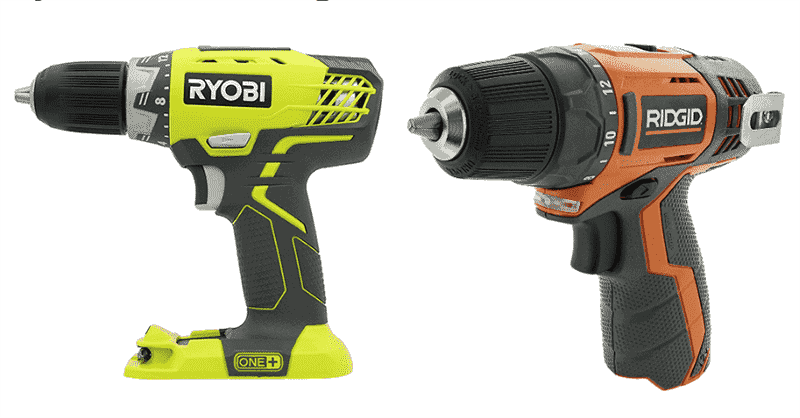
When you decide to buy a new cordless drill, two brands often come up: Ridgid and Ryobi. Both are popular, both are affordable, and both promise to help you finish your DIY or professional projects. But which one is better for you? The answer is not simple. Each brand has its strengths and weaknesses, and what works for one person might not be right for another. In this guide, you’ll find a deep, honest look at Ridgid vs Ryobi drills. We’ll compare performance, price, battery systems, durability, warranties, and more. Whether you’re a weekend DIYer or a serious tradesperson, you’ll find clear, practical advice to help you choose the right drill for your needs.
Brand Overview: Ridgid And Ryobi
Before diving into the differences, it’s helpful to know a little about each brand’s background. Ridgid is a name that’s been around for over a century. Founded in 1923, Ridgid is known for making tough, pro-grade tools, especially in plumbing and construction. Their power tools are made with durability in mind, and their drills often target professionals or demanding DIYers.
Ryobi, in contrast, is a brand aimed more at homeowners and hobbyists. Founded in Japan, Ryobi tools are famous for offering good performance at a budget-friendly price. Their One+ battery platform is especially popular, making it easy to use the same battery across dozens of tools.
Both brands are owned by Techtronic Industries (TTI), which also owns Milwaukee. This means you’ll sometimes find similarities in design or technology, but the brands are clearly targeted at different markets.
Drill Lineup And Popular Models
Both Ridgid and Ryobi offer several types of drills. The most common are:
- Cordless drill/drivers
- Hammer drills
- Impact drivers
- Combo kits
Let’s take a closer look at popular models from each brand.
Ridgid’s Top Drills
- Ridgid 18V Brushless Drill/Driver (R86115)
- Ridgid 18V SubCompact Brushless Drill (R87012)
- Ridgid 18V Hammer Drill (R8611506)
- Ridgid 18V Combo Kits (often include a drill, impact driver, and other tools)
Ryobi’s Top Drills
- Ryobi 18V ONE+ Drill/Driver (P215)
- Ryobi 18V ONE+ Brushless Drill/Driver (P252)
- Ryobi 18V ONE+ HP Brushless Compact Drill (PSBID01)
- Ryobi 18V ONE+ Hammer Drill (P214)
- Ryobi 18V ONE+ Combo Kits (very popular for value seekers)
These models are widely available at The Home Depot, the main retail partner for both brands in North America.

Credit: www.youtube.com
Performance: Power, Torque, And Speed
When it comes to drills, power and torque are the most important numbers. Torque determines how much twisting force the drill can deliver, which is crucial for driving screws or drilling into tough materials. Speed (measured in rotations per minute, or RPM) tells you how fast the drill spins.
Ridgid Drill Performance
Ridgid drills are known for their high torque and strong motors. For example, the Ridgid R86115 brushless drill delivers up to 525 in-lbs of torque and a max speed of 2,000 RPM. Hammer drill versions can go even higher, making Ridgid a favorite for heavy-duty tasks.
Ryobi Drill Performance
Ryobi drills generally offer less torque and slightly lower speed. The Ryobi P215, a common homeowner model, provides about 340 in-lbs of torque and maxes out at 1,750 RPM. The Ryobi HP Brushless line closes this gap a bit, but still doesn’t quite match Ridgid’s top numbers.
Example: Drilling Into Concrete
If you want to drill holes in concrete or thick lumber, Ridgid’s extra torque and hammer action will make the job easier. Ryobi can handle lighter materials, but may struggle with long, tough jobs.
Side-by-side Comparison
Here’s a quick look at how two comparable models stack up:
| Feature | Ridgid R86115 | Ryobi P252 |
|---|---|---|
| Voltage | 18V | 18V |
| Max Torque | 525 in-lbs | 500 in-lbs |
| Max Speed (RPM) | 2,000 | 1,800 |
| Brushless Motor | Yes | Yes |
| Weight (w/ battery) | 3.5 lbs | 3.2 lbs |
Battery System And Platform
Both Ridgid and Ryobi use 18V lithium-ion batteries, but there are important differences in their platforms.
Ryobi One+ Battery System
Ryobi’s ONE+ battery platform is famous for its wide compatibility. The same battery fits over 175 Ryobi tools, from drills to lawnmowers to fans. This makes building a tool collection very affordable. The batteries are easy to find and often included in combo kits.
Ridgid 18v Battery System
Ridgid’s 18V batteries also work across their full 18V tool lineup. However, Ridgid doesn’t have quite as many types of tools in their ecosystem as Ryobi. Still, Ridgid batteries are known for high quality and a long lifespan. Many come with Lifetime Service Agreements (if registered properly).
Battery Capacity And Runtime
Both brands offer batteries in several sizes, from 1. 5Ah to 6Ah or higher. Larger batteries last longer but add weight.
- Ryobi’s batteries tend to be lighter and cheaper, but may offer less runtime and power.
- Ridgid’s batteries often last longer and can handle higher drain without overheating.
Pro Tip
Many new users don’t realize that using a bigger battery (like 4Ah or 6Ah) on a compact drill can actually boost performance and reduce overheating, not just runtime.
Build Quality And Durability
One of the most common questions is: Which brand makes tougher drills?
Ridgid: Built For Tough Jobs
Ridgid tools are designed with contractors and serious DIYers in mind. Their drills have sturdy housings, reinforced gearboxes, and often come with all-metal chucks. If you drop your drill or work in harsh environments, Ridgid is more likely to survive.
Ryobi: Good Enough For Home Use
Ryobi drills are made with lighter plastic casings and simpler parts. They’re perfect for home repairs, furniture assembly, or light woodworking, but they may not last as long under daily heavy use. For most homeowners, the build is more than enough.
Unexpected Insight
Even though Ridgid is tougher, Ryobi drills are often easier to handle for people with smaller hands or less upper body strength, thanks to their lighter weight and slimmer grips.
Price And Value For Money
Price is often the deciding factor, especially for beginners. Here’s what you can expect:
Ryobi: Budget-friendly
- Drill/driver kits with battery and charger often cost $60–$100
- Combo kits (drill, impact driver, saw, light, batteries, charger) can be $150–$200
- Batteries and chargers are widely available and affordable
Ridgid: Mid-range To Pro
- Drill/driver kits with battery and charger usually cost $120–$180
- Combo kits are typically $200–$300
- Batteries are a bit more expensive, but often come with longer warranties
Money-saving Tip
Ryobi’s combo kits are a top value if you want several tools at once. But if you expect to use your drill every day or for big projects, Ridgid’s extra durability can save money in the long run.
Warranty And Service
Warranties are a key part of the Ridgid vs Ryobi debate.
Ridgid: Lifetime Service Agreement
Ridgid offers a Lifetime Service Agreement (LSA) on many tools if you register your purchase within 90 days. This covers free parts, service, and even batteries for the life of the tool. But, you must keep proof of purchase and register online. Some users report the process can be slow.
Ryobi: 3-year Limited Warranty
Ryobi tools come with a 3-year limited warranty. It’s easy to use and covers manufacturing defects, but does not include free replacement of wear parts or batteries (unless purchased as part of a kit).
Common Mistake
Many buyers forget to register their Ridgid tools for the LSA. Without registration, you only get a 3-year warranty.
Features And Usability
Both brands offer drills with useful features. Here’s what you’ll commonly find:
- LED work lights: Standard on most models
- Keyless chucks: For fast bit changes
- Two-speed gearboxes: For switching between power and speed
- Belt clips and bit holders: Handy for on-the-job use
Unique Ridgid Features
- All-metal chucks on many models
- Micro-clutch settings for precise torque control
- Ergonomic grips designed for all-day use
Unique Ryobi Features
- MagTray magnetic holder for screws and bits
- Compact design ideal for tight spaces
- More color options for easy tool identification
Hidden Benefit
Ryobi’s MagTray is extremely useful for DIYers who often drop screws or need to keep bits handy. It’s a small feature that saves time and frustration.
User Experience And Comfort
Comfort matters more than many people think. If your drill feels awkward or heavy, you’ll use it less.
Ridgid Ergonomics
Ridgid drills are balanced for heavy-duty work. The grips are thicker and textured for a secure hold with gloves. They are heavier, which can tire your arm during long jobs, but the extra weight helps control the drill during tough tasks.
Ryobi Ergonomics
Ryobi drills are lighter and often have a smaller grip, making them comfortable for smaller hands or overhead work. The lighter weight is also an advantage for quick repairs or working in awkward spots.
Pro Experience
Some contractors keep a Ryobi drill as a backup or for lighter tasks, while using Ridgid for demanding jobs. Mixing brands can be a smart way to balance comfort and durability.
Accessories And Tool Ecosystem
Buying a drill is often just the start. You may want saws, sanders, or even outdoor tools that use the same batteries.
Ryobi: Massive Tool Selection
Ryobi’s ONE+ system includes over 175 tools. This huge ecosystem covers everything from cordless fans to glue guns and mowers. If you want to build a big tool collection on a budget, Ryobi is hard to beat.
Ridgid: Focused But Strong
Ridgid’s 18V lineup is smaller but includes most major tools needed for construction, woodworking, and plumbing. You won’t find as many “niche” tools, but you will get high-quality basics.
Practical Advice
If you plan to buy lots of tools over time, Ryobi’s wide selection makes life easier. But if you want just a few reliable, tough tools, Ridgid is the better choice.
Real-world Examples And Use Cases
To help make things clearer, let’s look at some real scenarios:
Scenario 1: Homeowner Hanging Shelves
A homeowner needs to hang shelves, assemble furniture, and fix a deck. Here, Ryobi shines. It’s affordable, light, and has enough power for these tasks. The MagTray is handy for screws, and the wide ecosystem means you can add other tools easily.
Scenario 2: Remodeling Contractor
A contractor needs to drill hundreds of holes in wood and metal, or mix drywall mud. Ridgid is the better option. The extra torque, longer runtime, and tougher build will survive daily abuse. The Lifetime Service Agreement is also valuable for heavy users.
Scenario 3: College Student In Small Apartment
A student wants a drill for simple repairs and future projects. Ryobi’s low price, compact design, and ability to share batteries with other tools (like a vacuum or fan) make it the smart buy.
Scenario 4: Weekend Woodworker
Someone who builds furniture or does light carpentry will enjoy Ridgid’s precision and durability, but may still like Ryobi’s value for non-critical jobs.
Detailed Comparison Table
To help you see the differences at a glance, here is a side-by-side summary of key features:
| Category | Ridgid | Ryobi |
|---|---|---|
| Target User | Pros & Serious DIY | Homeowners & Beginners |
| Max Torque | Up to 525 in-lbs | Up to 500 in-lbs |
| Battery System | 18V, Lifetime if registered | 18V ONE+, huge range |
| Tool Ecosystem | Focused, pro tools | Massive, all-purpose |
| Warranty | Lifetime (with registration) | 3 years |
| Price (kit) | $120–$180 | $60–$100 |
| Build Quality | Rugged, all-metal options | Light, plastic housings |
| Unique Feature | Micro-clutch, metal chuck | MagTray, compact size |

Credit: www.reddit.com
Pros And Cons: Ridgid Vs Ryobi Drills
To make your decision easier, here’s a quick summary of the biggest strengths and weaknesses of each brand.
Ridgid Pros
- Powerful motors suitable for tough jobs
- Lifetime Service Agreement (if registered)
- Durable construction for job sites
- All-metal chucks on many models
- Longer battery life under heavy use
Ridgid Cons
- Higher price than Ryobi
- Heavier and bulkier for some users
- Fewer “fun” or specialty tools in the battery ecosystem
Ryobi Pros
- Affordable kits and low entry cost
- Huge tool ecosystem (175+ tools)
- Lightweight and compact for easy use
- MagTray and other user-friendly features
- Widely available batteries and accessories
Ryobi Cons
- Lower build quality than Ridgid
- Shorter warranty (3 years)
- Not as tough for daily heavy-duty work
- Slightly less power and runtime
Hidden Insights Most Beginners Miss
- Battery registration matters: Many users buy Ridgid for the Lifetime Service Agreement but forget to register within 90 days. Without this, you lose a major benefit. Always register your tools online and keep your receipt.
- Accessory fit: Some drill bits and accessories fit tighter in Ridgid’s all-metal chucks. Ryobi’s chucks can be looser, which may cause slipping with some bits.
- Mixing brands: If you already have Ryobi ONE+ tools, adding a Ridgid drill means two battery systems. This can be inconvenient unless you’re replacing your whole set. Plan your purchases to avoid battery mix-ups.
- Specialty tools: Ryobi’s ecosystem includes tools you won’t find with Ridgid, like cordless glue guns and inflators. This is great for crafters and hobbyists.
Credit: extoltools.com
Which Should You Buy: Ridgid Or Ryobi Drill?
Your choice depends on your needs:
- Choose Ridgid if you plan to use your drill often, need extra power, or want a tool that will last for years. It’s a smart investment for anyone who values durability and service.
- Choose Ryobi if you want to save money, need a drill for light projects, or want to build a broad tool collection quickly. It’s ideal for beginners, students, or casual DIYers.
Still unsure? Try picking up each drill in-store. See how they feel in your hand. The best drill is the one you’ll actually use, not just the one with the best specs.
For more technical specs and in-depth comparisons, you can visit the Home Depot Power Tools Buying Guide.
Frequently Asked Questions
What Is The Main Difference Between Ridgid And Ryobi Drills?
Ridgid drills are built for tougher, heavier use and have features like all-metal chucks and higher torque, making them suited for professionals or demanding projects. Ryobi drills are lighter, more affordable, and best for homeowners and light-duty work.
Can Ryobi And Ridgid Batteries Be Used Interchangeably?
No, Ryobi ONE+ batteries only work with Ryobi tools, and Ridgid 18V batteries only work with Ridgid tools. They look similar but are not cross-compatible.
Are Ridgid Drills Really Worth The Extra Cost?
For frequent users or professionals, the extra durability, power, and lifetime service agreement make Ridgid drills a good value. For occasional home use, Ryobi is often good enough.
What Happens If I Forget To Register My Ridgid Tool?
If you don’t register your Ridgid tool within 90 days, you lose the Lifetime Service Agreement and only have a standard 3-year warranty. Always register your tools and keep your receipt.
Which Brand Has Better Customer Support?
Both brands have solid customer support, but Ridgid’s lifetime service can be slower due to more paperwork and claims. Ryobi’s support is simpler but limited to 3 years.
Choosing the right drill is all about understanding your needs and how you’ll use the tool. Whether you pick Ridgid or Ryobi, you’re getting a reliable drill at a fair price. Just remember, the best tool is the one that fits your projects, your hands, and your budget.