Finding the right drill bit size for a 6-32 tap is more important than many beginners realize. If you use the wrong size, your threads may be weak, or the tap could break. This task may look simple, but there are many details to get right. Choosing the correct drill bit is just the first step; you must also understand tapping methods, materials, and practical tips to ensure your threaded hole is strong and reliable. For anyone working with screws, bolts, or machine parts, knowing these details can save time, money, and frustration.
This article covers everything you need to know about drill bits for the 6-32 tap. You’ll learn the exact size to use, see how different materials affect your choice, and discover tips to avoid common mistakes. We’ll also look at all 32 related items—such as alternative drill sizes, tap types, thread standards, and special cases—so you leave with zero unanswered questions. By the end, you’ll feel confident selecting and using the right drill bit for any 6-32 tap job.
What Is A 6-32 Tap?
A 6-32 tap is a tool used to cut threads in holes for screws or bolts. The “6” refers to the screw size, and “32” means there are 32 threads per inch. This tap is common in electronics, hardware, and general fabrication. You’ll find it in computer cases, electrical panels, and small machinery. The 6-32 thread is classified under Unified Thread Standard (UTS), which is used in North America.
There are two key parts to understand:
- The tap cuts the threads inside the hole.
- The drill bit makes the initial hole before tapping.
If the hole is too small, the tap can break. If it’s too big, the threads may not hold the screw securely.
Standard Drill Bit Size For 6-32 Tap
The standard drill bit size for a 6-32 tap is #36 drill bit. This is a very specific size, not a common fractional or metric drill. The #36 drill has a diameter of 0.1065 inches (about 2.71 mm). This size leaves enough material for the tap to cut threads, but not so much that the threads will be weak.
Here’s why this size works:
- It provides the right balance between ease of tapping and thread strength.
- Using a larger bit can make the threads shallow.
- Using a smaller bit puts too much stress on the tap and the material.
For most applications, the #36 drill bit is the safest choice.
All 32 Related Items: Drill Bit, Tap, And Thread Details
There are 32 important items connected to the 6-32 tap and its drill bit selection. Each item helps you understand the process better or offers alternatives when standard methods don’t fit your situation. Let’s look at each item individually.
1. 36 Drill Bit (standard Size)
The #36 drill bit is the official size for creating holes before tapping with a 6-32 tap. It measures 0.1065 inches in diameter. Always use this size for standard holes in mild steel, aluminum, or brass.
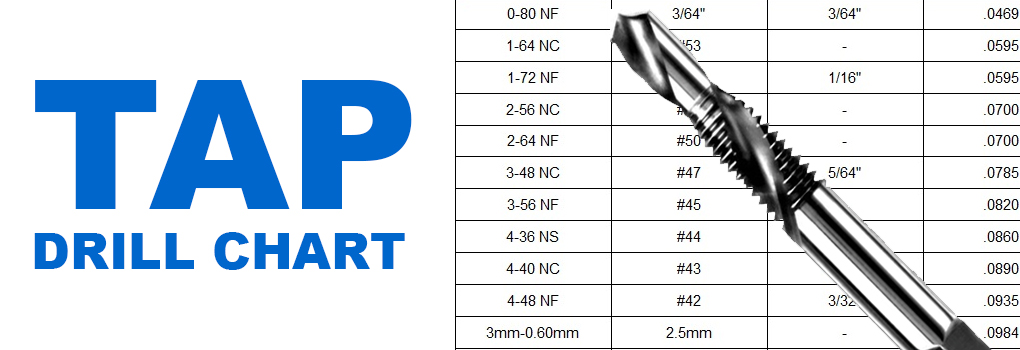
2. 6-32 Tap Drill Chart
A tap drill chart lists the recommended drill sizes for different taps. For 6-32, the chart always points to #36. Charts are useful for quick reference during projects.
3. Fractional Equivalent
The closest fractional size to #36 is 7/64 inch (0.1094 inches). This is slightly larger, which can make the threads a bit weaker. Use this only if #36 is unavailable.
4. Metric Equivalent
For metric drills, 2.7 mm is nearly equal to #36. This can be used in countries where metric tools are more common, but the fit will not be as perfect as #36.
5. Tap Material
Taps are made from high-speed steel or carbon steel. High-speed steel is better for repeated use and hard materials. If you use low-quality taps, they can break easily, especially in tough metals.
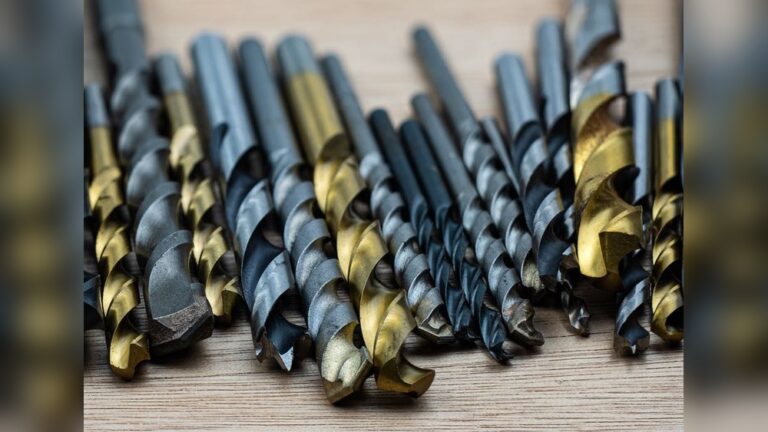
6. Drill Bit Material
Drill bits come in high-speed steel, cobalt, or carbide. Cobalt bits are good for stainless steel; carbide is for very hard materials. Choose the material based on what you’re drilling.
7. Hole Depth
The hole should be slightly deeper than the length of the screw. If the hole is too shallow, the tap may hit the bottom and break.
8. Thread Engagement
For strong threads, aim for 60–75% thread engagement. This means the threads fill most of the hole, but not all. Too much engagement stresses the tap; too little makes weak threads.
9. Tapping In Aluminum
Aluminum is soft and easy to tap. Use the #36 drill bit and lubricate with light oil. Threads will be strong if you follow the standard size.
10. Tapping In Steel
Steel is harder. Use a high-quality tap and the #36 drill bit. Always use cutting oil and keep the tap straight. Avoid forcing the tap, or it could break.
11. Tapping In Brass
Brass is easy to work with. The #36 drill bit works well, and you don’t need much lubrication. Be careful not to overtighten the tap.
12. Tapping In Plastic
For plastics, the #36 drill bit is still the best. You may need to clear chips often, as plastic can clog the tap.
13. Lubrication
Always lubricate the tap, except in soft plastics. Use cutting oil for metal, and a bit of dish soap for tougher plastics.
14. Tap Types
There are hand taps, machine taps, and spiral taps. For most jobs, a hand tap is fine. Machine taps are faster and used in power tools.
15. Tapping Tools
You need a tap wrench or a T-handle. These keep the tap straight and give you control. Avoid using pliers or adjustable wrenches.
16. Tap Alignment
Keep the tap perfectly straight. If you tap at an angle, the screw will not fit right, and the threads will be weak.
17. Drill Bit Wear
A worn drill bit can make the hole too small. Always use a sharp bit for clean, accurate holes.
18. Cleaning The Hole
After drilling, remove chips with compressed air or a brush. Chips left in the hole can damage the tap.
19. Pilot Hole
Sometimes, a pilot hole (smaller than #36) is drilled first, then enlarged. This helps in very hard metals.
20. Deburring
After drilling, use a deburring tool to remove sharp edges. This makes tapping easier and prevents damage to the tap.
21. Tap Drill Size Formula
The formula for tap drill size is: Tap Drill = Major Diameter – (1 / Threads Per Inch). For 6-32, Major Diameter is 0.1380 in; so Tap Drill = 0.1380 – (1/32) = 0.1065 in.
22. Tap Depth Marking
Mark the desired depth on the tap with tape or paint. This helps avoid drilling too deep or shallow.
23. Tap Breakage
If the tap breaks, remove it with a tap extractor. Avoid excessive force and keep the tap lubricated.
24. Thread Strength
Stronger threads come from correct drill size, good material, and proper tap use. If you use a larger drill, threads will be weaker.
25. Alternative Drill Sizes
If #36 is unavailable, use 2.7 mm or 7/64 in as alternatives. These are not ideal but work in emergencies.
26. Thread Repair
Damaged threads can be fixed with a thread insert like Helicoil. This restores strength to stripped holes.
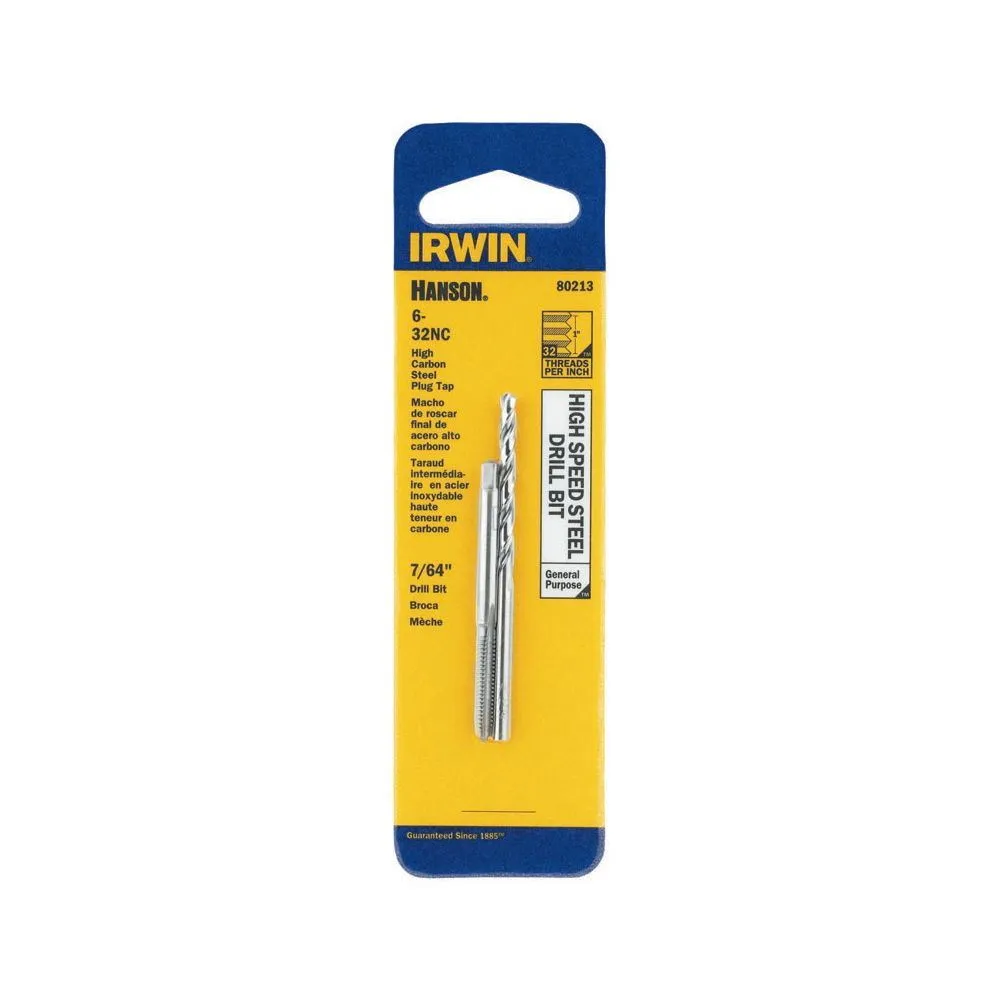
27. Tap Set
A tap set includes taps for different sizes, plus matching drill bits. A good tap set is useful for frequent projects.
28. Tapping Depth
For a 6-32 screw, aim for at least 6–8 threads engaged in the material. This gives enough hold for most applications.
29. Tap Lubrication Choices
Different lubricants suit different materials:
- Cutting oil for steel and brass
- WD-40 for aluminum
- Soap and water for some plastics
30. Tap Speed
Turn the tap slowly. Fast turning increases risk of breakage and poor threads. Use short turns and back off to clear chips.
31. Tap Removal
After tapping, remove the tap carefully. If you force it, you may damage the threads.
32. Tap Storage
Keep taps in a dry place, away from moisture. Rusty taps don’t cut clean threads and are likely to break.
Comparison Of Drill Bit Sizes
Choosing between #36, metric, and fractional bits can be confusing. Here’s a comparison for clarity:
| Drill Bit Type | Diameter (inches) | Diameter (mm) | Thread Strength |
|---|---|---|---|
| #36 (Standard) | 0.1065 | 2.71 | Optimal |
| 7/64 (Fractional) | 0.1094 | 2.78 | Good, but slightly weaker |
| 2.7 mm (Metric) | 0.1063 | 2.7 | Almost optimal |
The #36 is best. 2. 7 mm is very close, and 7/64 in is usable if nothing else is available.
Tap Drill Size Calculation Example
Let’s see how to calculate the tap drill size for 6-32 using the formula:
- Major Diameter = 0.1380 inches
- Threads per Inch = 32
Tap Drill Size = Major Diameter – (1 / Threads per Inch)
Tap Drill Size = 0.1380 – (1/32)
Tap Drill Size = 0.1380 – 0.03125
Tap Drill Size = 0.10675 Inches
The result is 0.10675 inches, which is almost exactly the #36 drill bit size.
Tap And Drill Bit Quality Comparison
Different brands and materials affect performance. Here’s how quality impacts results:
| Type | Material | Durability | Performance |
|---|---|---|---|
| Standard Tap | High-Speed Steel | Good | Reliable for most metals |
| Premium Tap | Cobalt Steel | Excellent | Best for hard metals |
| Standard Drill Bit | High-Speed Steel | Good | Works for most jobs |
| Premium Drill Bit | Carbide | Excellent | For tough materials |
For average projects, high-speed steel is fine. For frequent use or tough metals, choose cobalt or carbide.
Step-by-step Tapping Process
To tap a hole for a 6-32 screw, follow these steps:
- Select the #36 drill bit and ensure it’s sharp.
- Mark the hole location using a center punch.
- Drill the hole to the required depth, clearing chips as needed.
- Deburr the hole to remove rough edges.
- Insert the tap into a tap wrench.
- Lubricate the tap with cutting oil.
- Align the tap perpendicular to the surface.
- Turn the tap slowly, making short turns, and back off occasionally to clear chips.
- Continue until the desired depth is reached (usually 6–8 threads).
- Remove the tap gently.
- Clean the hole with air or a brush.
These steps give you a strong, clean thread.
Common Mistakes And How To Avoid Them
Many beginners make mistakes when tapping holes. Here’s how to avoid the most common ones:
- Using the wrong drill bit size: Always check the size, and use #36 for 6-32.
- Skipping lubrication: Dry tapping increases risk of breakage.
- Tapping at an angle: Keep the tap straight, or the screw won’t fit.
- Using a dull drill bit: Dull bits make undersized holes, leading to broken taps.
- Not clearing chips: Chips can jam the tap and cause breakage.
- Forcing the tap: If it’s hard to turn, back off and clear chips.
- Drilling too shallow: If the hole isn’t deep enough, the tap will hit the bottom and may break.
Credit: www.agrisupply.com
Non-obvious Insights Beginners Miss
- Drill bit wear changes hole size: As a drill bit wears, its diameter shrinks. This makes the hole smaller and increases stress on the tap, which can cause breakage. Always check the drill bit for wear before starting.
- Material hardness affects tap life: Tapping into hard metals like stainless steel wears the tap quickly. If you tap many holes in hard materials, upgrade to cobalt or carbide taps for longer life.
Special Cases: Tapping In Thin Materials
If you need to tap a thin sheet (like metal less than 1/16 inch), you may not get enough threads. In these cases:
- Use a thread-forming tap instead of a cutting tap.
- Consider using a thread insert for better strength.

Credit: micromark.com
Tap Drill Charts For Reference
Tap drill charts are available online and in tool shops. They list recommended drill sizes for every tap. For 6-32, the chart will always show #36.
You can find detailed charts at Source Name.
How To Choose Between Drill Bit Types
Choosing between #36, 2. 7 mm, and 7/64 in depends on availability and precision needs. If you want the strongest threads, use #36. If you only have metric bits, 2. 7 mm is close enough. If you have fractional bits, 7/64 will work, but expect slightly weaker threads.
Tap Maintenance Tips
Taps last longer if you:
- Clean after each use
- Store in dry, protected cases
- Avoid tapping dirty or rough holes
A well-cared-for tap cuts better and is less likely to break.
Impact Of Drill Bit Quality
High-quality drill bits:
- Cut cleaner holes
- Stay sharp longer
- Reduce risk of tap breakage
Low-quality bits:
- Make rough, undersized holes
- Increase tap wear
- Lead to poor threads
Credit: www.fastenere.com
Tapping With Power Tools
For fast production, machine taps and power tools are used. This requires special taps and careful speed control. Beginners should stick to hand tapping for best results.
Thread Strength Data
Thread strength depends on:
- Drill bit size
- Tap quality
- Material hardness
- Thread engagement
For a 6-32 screw, with proper drill and tap, the threads can hold up to 50–80 lbs in steel, 30–60 lbs in aluminum, and 20–40 lbs in plastics.
Frequently Asked Questions
What Is The Best Drill Bit Size For A 6-32 Tap?
The best drill bit size is #36, with a diameter of 0.1065 inches. This gives strong, reliable threads.
Can I Use A Metric Drill Bit For 6-32 Tap?
Yes, 2.7 mm is very close to #36 and can be used if metric bits are all you have. The threads will be nearly as strong.
What Happens If I Use A Larger Drill Bit?
A larger drill bit, like 7/64 in, makes the hole slightly bigger. The threads will be weaker and may not hold the screw tightly.
Why Does My Tap Keep Breaking?
Common reasons are:
- Using a dull drill bit
- Not lubricating the tap
- Tapping at an angle
- Forcing the tap
Check these factors to avoid breakage.
How Deep Should I Tap For A 6-32 Screw?
Aim for at least 6–8 threads of engagement. For most screws, this means drilling slightly deeper than the screw length.
Final Thoughts
Choosing the right drill bit for a 6-32 tap is a small detail that makes a big difference. The #36 drill bit is the gold standard, but metric and fractional alternatives can work in a pinch. Pay attention to material, tap type, lubrication, and thread depth for best results. By mastering these steps—and understanding all 32 related items—you’ll get strong, reliable threads every time. Whether you’re building electronics, repairing machines, or working on home projects, these details ensure your work is safe, durable, and professional.