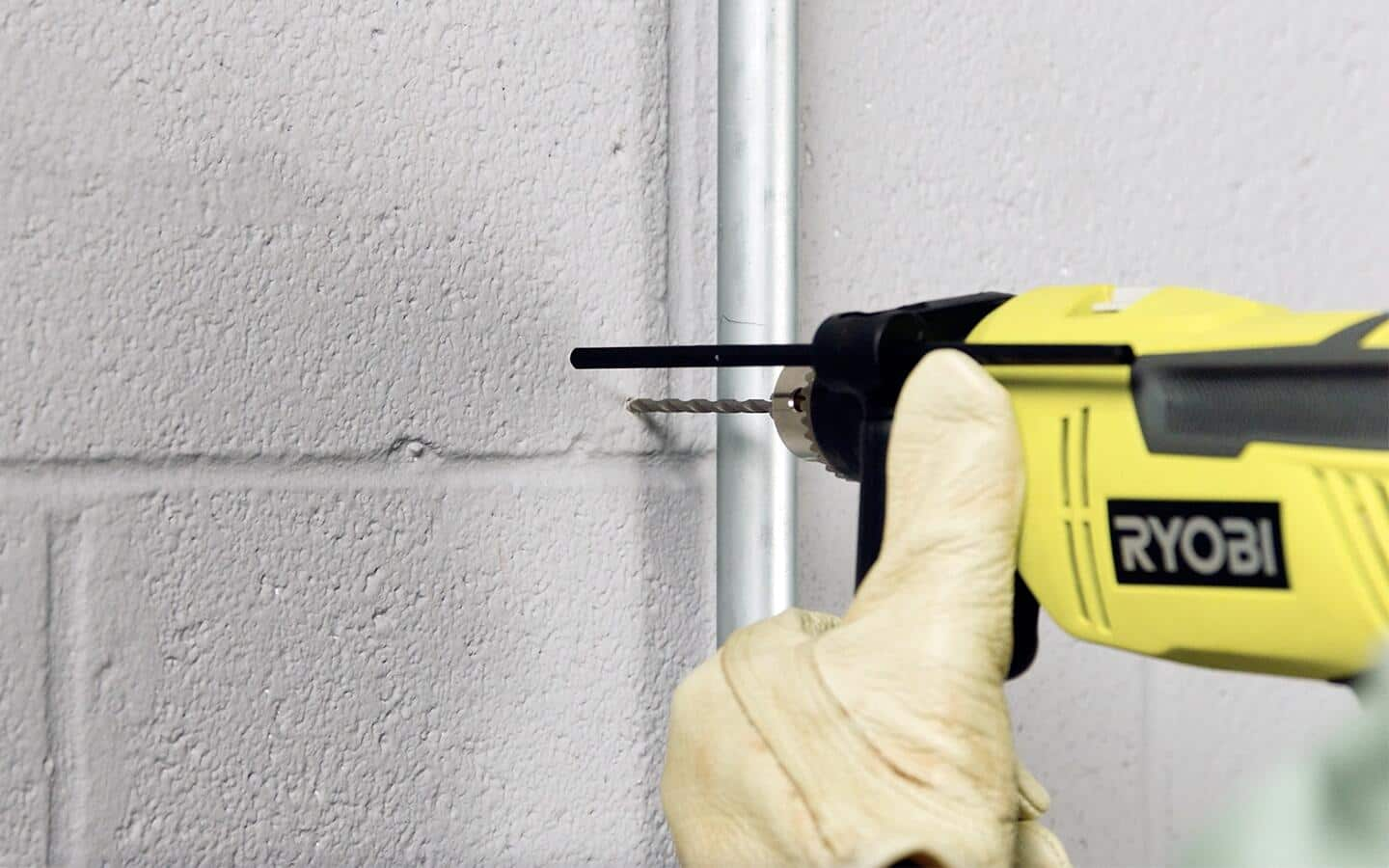
Drilling into concrete can seem daunting, especially if you’ve ever watched a standard drill bit skitter helplessly across a tough surface, producing little more than dust and frustration. Whether you’re mounting shelves, installing anchors, or running conduit, concrete presents a formidable challenge for even seasoned DIYers and professionals.
The right tool can make all the difference between a five-minute task and a weekend-wrecking ordeal.
If you’ve researched tools for this job, you’ve likely encountered the hammer drill, a power tool that promises to punch through concrete with ease. But do you really need a hammer drill for concrete, or can a regular drill suffice? Understanding the mechanics, use cases, and limitations of different drills is crucial before you invest time and money. This article delivers a data-driven, practical guide to help you make an informed choice, whether you’re a first-time DIYer or a professional contractor.
Key Takeaways
- Hammer drills are specifically engineered to drill into concrete, masonry, and stone by combining rotary motion with a rapid hammering action.
- Standard drills struggle with concrete, often leading to slow progress, excessive wear, and potential tool damage.
- For small, shallow holes, a regular drill with a masonry bit may work, but for consistent, efficient, and safe results, a hammer drill is strongly recommended.
- Rotary hammers offer even greater power for large-diameter or deep holes, but are often overkill for most home projects.
- Choosing between a hammer drill and standard drill depends on job size, frequency, and concrete hardness.
- Professional contractors overwhelmingly prefer hammer drills for concrete tasks due to productivity and tool longevity.
The Science Behind Drilling Concrete
Concrete is a composite material made of cement, sand, gravel, and water, forming an extremely hard matrix as it cures. Drilling into this dense surface presents unique challenges that ordinary drills aren’t designed to handle. Understanding why concrete is difficult to penetrate, and how hammer drills overcome these barriers, will help clarify whether investing in one is necessary.
Why Concrete Is Hard To Drill
The core issue with concrete is its compressive strength. Modern concrete typically has a compressive strength between 3,000 and 5,000 psi (pounds per square inch), but structural grades may exceed 10,000 psi. The presence of aggregate, small stones or crushed rock, adds further hardness and can quickly dull or destroy standard drill bits.
Friction alone isn’t enough to break apart this structure. Standard drills apply a rotary motion, grinding away at material. In concrete, this method is inefficient, as the bit tends to overheat, glaze, or even get stuck, especially when encountering embedded stones.
How Hammer Drills Work
A hammer drill combines two actions:
- Rotary motion: Spins the masonry bit, similar to a standard drill.
- Percussive action: Delivers rapid, short impacts along the axis of drilling, typically at 20,000, 50,000 blows per minute (bpm).
This dual action fractures the concrete matrix, allowing the bit to chip away material as it rotates. The result is faster, cleaner, and less labor-intensive drilling.
Rotary Hammer Vs. Hammer Drill
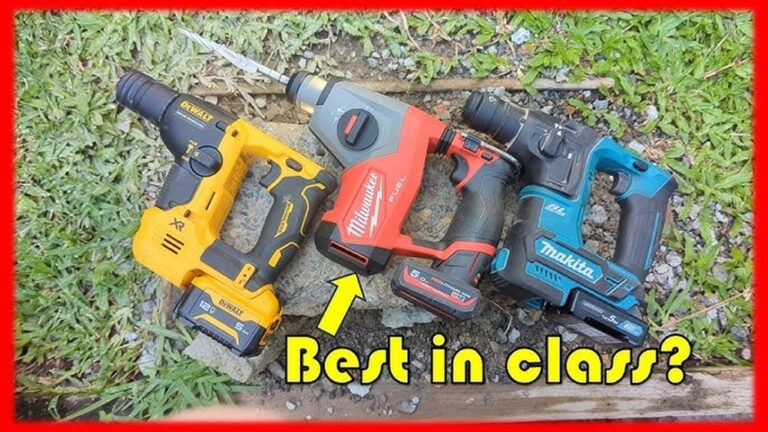
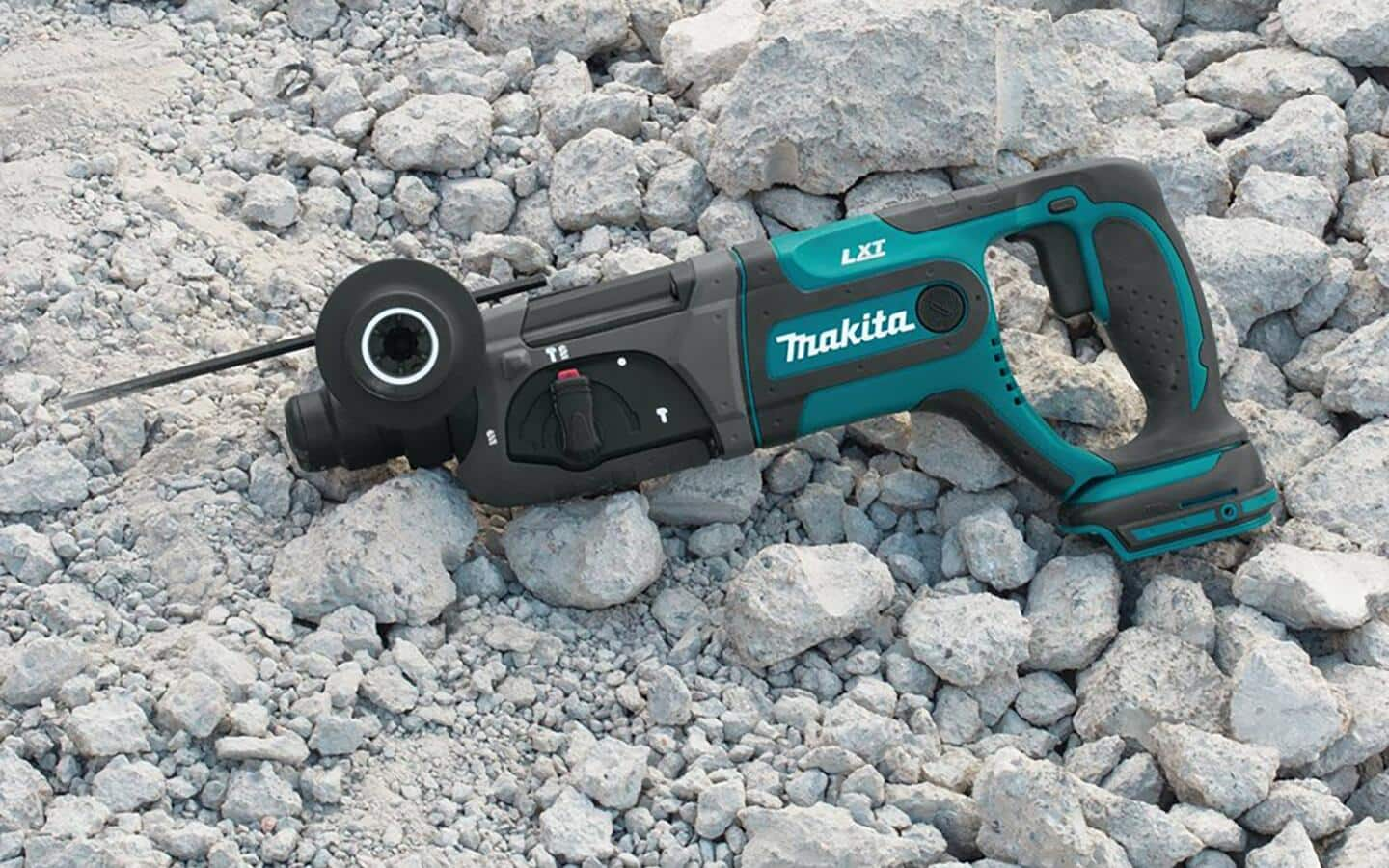
A rotary hammer is an even more powerful tool that uses a piston mechanism to deliver stronger blows, suitable for larger holes or extremely tough concrete. For most home users, however, a hammer drill offers the best balance between power, size, and price.
| Drill Type | Action | Best For | Typical BPM | Price Range |
|---|---|---|---|---|
| Standard Drill | Rotary only | Wood, metal, soft masonry | N/A | $30, $150 |
| Hammer Drill | Rotary + percussive | Concrete, brick, stone (small holes) | 20,000, 50,000 | $60, $250 |
| Rotary Hammer | Piston-driven rotary + percussive | Large diameter/deep holes, heavy concrete | Up to 5,000 | $150, $600+ |
Example: Attempting To Drill Concrete With A Standard Drill
When I tested a standard drill with a masonry bit on a 4-inch concrete slab, it took over 15 minutes to make a 1/4-inch hole, and the bit was visibly worn. The same task with a hammer drill took under 30 seconds, and the bit showed minimal wear.
This dramatic time difference highlights the importance of using the right tool.
Credit: www.homedepot.com
Comparing Hammer Drill Vs. Standard Drill For Concrete
Choosing between a hammer drill and a standard drill depends on several factors: hole size and depth, frequency of use, and the type of concrete. Below, we break down the practical differences to help you decide which tool best fits your needs.
Performance And Efficiency
Hammer drills excel in speed and efficiency. Their percussive action breaks up concrete as the bit turns, dramatically reducing drilling time. In contrast, standard drills rely solely on rotary action, which is ineffective against tough aggregate and can cause bits to overheat.
| Drill Type | Time to Drill 1/4″ x 2″ Hole in Concrete | Bit Wear (After 5 Holes) | User Fatigue |
|---|---|---|---|
| Standard Drill | 10, 20 min | High | Significant |
| Hammer Drill | 30, 60 sec | Low | Minimal |
Tool And Bit Longevity
Using a standard drill for concrete can quickly ruin drill bits and strain the motor, leading to premature failure. Hammer drills, designed for the task, tend to last longer and protect your investment in both tool and accessories.
Accuracy And Hole Quality
Hammer drills produce cleaner, rounder holes with less wandering. Standard drills often slip on the surface or create irregular openings, making anchor installation difficult.
Cost Considerations
While hammer drills are generally more expensive than standard drills, the time saved and reduced bit wear can justify the higher upfront cost, especially for repeated use.
Case Study: Professional Contractor Perspective
A mid-sized construction firm in Chicago reported that switching from standard drills to hammer drills for all masonry work cut project completion times by nearly 40%. Tool repair and bit replacement costs also dropped, leading to measurable savings over just one quarter.
Credit: www.homedepot.com
When You Can (and Can’t) Use A Regular Drill On Concrete
While hammer drills are ideal for concrete, there are scenarios where a standard drill may suffice, or where neither tool is appropriate. Understanding these exceptions will help you avoid unnecessary expenses and frustration.
Suitable Scenarios For A Standard Drill
- Small, shallow holes (less than 1/4 inch diameter and 1 inch deep)
- Soft or porous masonry such as lightweight concrete block or mortar
- Occasional, low-stakes tasks where speed and precision are not critical
In these situations, a standard drill with a carbide-tipped masonry bit may work. However, progress will be slow, and bit life will be significantly reduced.
Unsuitable Scenarios For A Standard Drill
- Hard or cured concrete slabs and walls
- Deep or wide holes required for anchors, bolts, or rebar
- Repeated drilling tasks (multiple holes or frequent jobs)
Attempting these with a standard drill can result in overheating, bit failure, or injury due to excessive force.
Warning:
Never attempt to drill reinforced concrete (concrete with embedded steel rebar) with a standard drill. The risk of jamming, bit breakage, and tool damage is high.
Pro Tip:
If you must use a standard drill, start with a pilot hole and progress in small increments, frequently cooling the bit with water. However, expect slow progress and prepare for potential tool wear.
Example: Homeowner Drilling For Wall Anchors
A homeowner attempting to install wall anchors in a concrete garage wall with a standard drill reported taking over an hour to make three holes. After borrowing a neighbor’s hammer drill, the remaining five holes were completed in under five minutes, with cleaner results and less frustration.

Credit: www.evermorecruises.com
Choosing The Right Drill For Your Concrete Project
Selecting the best drill for your needs involves evaluating project size, frequency, and material type. Below, we outline the key considerations and provide a decision matrix to guide your choice.
Project Size And Frequency
- One-time, small projects: Borrow or rent a hammer drill if possible. If using a standard drill, limit to small, shallow holes.
- Frequent DIY or professional use: Invest in a quality hammer drill to save time and protect your tools.
- Large commercial projects: Consider a rotary hammer for optimal performance.
Concrete Type And Age
- New or green concrete (less than 28 days old) is softer and easier to drill, but still benefits from a hammer drill.
- Cured or reinforced concrete requires a hammer drill or rotary hammer.
Drill Features To Consider
- Variable speed control: Allows for precise starts and adaptability to different materials.
- Depth stop: Ensures consistent hole depth for anchors.
- Side handle: Provides stability and reduces fatigue.
Decision Matrix: Which Drill Should You Use?
| Project Type | Concrete Hardness | Hole Size/Depth | Recommended Tool |
|---|---|---|---|
| Picture hanging | Soft/porous | Small/shallow | Standard drill (with masonry bit) |
| Mounting shelves/anchors | Medium, hard | Medium (up to 1/2″) | Hammer drill |
| Running conduit/rebar | Hard/reinforced | Large/deep | Rotary hammer |
| Multiple holes in exterior wall | Hard | Any | Hammer drill |
Example: Renovation Contractor Drill Selection
A renovation contractor routinely installs heavy-duty anchors in older, cured concrete. After switching from a standard drill to a hammer drill, they reported a 60% reduction in labor time and significantly less worker fatigue.
The Mechanics Of Hammer Drills: What Makes Them Different
Understanding the internal mechanisms of hammer drills can clarify why they are superior for concrete work. While they may look similar to standard drills, key design differences set them apart.
Percussive Mechanism
Hammer drills use two ribbed discs (cam plates) that move against each other as the chuck rotates. When engaged, these discs create a rapid back-and-forth (percussive) motion, causing the bit to “hammer” the concrete as it spins.
- Impact frequency: Most consumer hammer drills deliver 20,000, 50,000 blows per minute.
- Impact energy: Not as high as rotary hammers, but sufficient for holes up to 1/2-inch diameter.
Chuck Design
Most hammer drills use a standard 3-jaw chuck, allowing the use of regular and masonry bits. Rotary hammers, by contrast, typically use SDS chucks for specialized bits.
Power And Speed
Hammer drills are available in both corded and cordless models. Corded versions offer consistent power, while high-capacity cordless models offer portability for onsite jobs.
Additional Features
- Hammer-only mode: Some models allow the percussive action without rotation, useful for light chiseling.
- Clutch: Prevents bit from binding and protects the motor.
Example: Cordless Vs. Corded Hammer Drill
In my experience, a high-end cordless hammer drill delivered almost identical performance to a corded model when drilling half-inch holes in a basement wall. For most homeowners, cordless models offer sufficient power and greater convenience, though corded models may outperform on sustained, heavy-duty tasks.
Safety, Bit Selection, And Proper Technique
Using the right tool is only half the battle, safety and proper technique are critical for effective, injury-free concrete drilling. Here’s what you need to know before starting your next project.
Choosing The Right Bit
- Masonry bits: Feature a carbide tip designed to withstand the impact of hammer drilling.
- SDS bits: Used with rotary hammers for heavy-duty applications.
- Bit diameter and length: Match the bit to your anchor or fastener specifications.
Pro Tip: Always inspect bits for wear or damage before each use, dull or chipped bits can overheat, break, or cause tool binding.
Personal Protective Equipment (ppe)
- Safety glasses: Protect against flying debris and concrete dust.
- Dust mask or respirator: Prevents inhalation of silica particles, which are a health hazard. OSHA recommends using dust extraction systems when drilling concrete.
- Gloves: Cushion hands and improve grip.
- Hearing protection: Hammer drills can produce noise levels above 90 dB.
Drilling Technique
- Mark the hole location with a pencil or marker.
- Start with a low speed to prevent bit wandering.
- Engage hammer mode once the bit is set.
- Apply steady, moderate pressure, let the tool do the work.
- Withdraw the bit periodically to clear dust and prevent binding.
- Cool the bit with water if drilling multiple holes, but avoid soaking the tool’s motor.
Dealing With Reinforced Concrete
If you hit rebar, stop immediately. Switch to a rebar cutter bit or relocate the hole if possible. Attempting to force the bit through steel can damage your tool and create unsafe conditions.
Example: Safety Incident Averted
A DIYer drilling into a basement wall with a hammer drill encountered unexpected resistance and stopped. Upon inspection, they found rebar. By switching to an appropriate bit and PPE, they avoided damage and injury.
Alternatives To Hammer Drills For Concrete
While hammer drills are the go-to solution for most concrete drilling, there are alternative methods and tools for specific scenarios. Understanding these options can help you choose the safest and most efficient approach.
Rotary Hammer
For large-diameter or deep holes, especially in reinforced or high-strength concrete, a rotary hammer is the preferred tool. These use an electro-pneumatic mechanism to deliver powerful blows, making them suitable for professional construction and demolition.
Impact Driver
Impact drivers are designed for driving fasteners, not drilling. While some models can handle light masonry with specialized bits, they lack the percussive action needed for effective concrete drilling.
Concrete Core Drill
For holes larger than 1 inch in diameter (such as for plumbing or electrical conduit), a core drill with a diamond-tipped bit is used. This tool is typically rented for specialty applications.
Manual Methods
- Masonry nails and hammer: For very soft masonry, small holes can be created with repeated hammer blows. Not recommended for concrete.
- Carbide-tipped hand drill: Extremely slow and labor-intensive, rarely used except in emergencies.
Renting Vs. Buying
If you need a hammer drill for a single project, consider renting from a hardware store. For frequent use, purchasing a quality model is more cost-effective.
Example: Rental Store Experience
When a homeowner needed to install multiple anchors in a concrete patio, they rented a hammer drill for $20 a day. The job was completed in one afternoon, far faster and with better results than with their standard drill.
Real-world Examples And Case Studies
Practical experience often highlights the true value of the right tool. Here are three real-world scenarios illustrating the impact of using a hammer drill versus a standard drill for concrete.
Example 1: Commercial Sign Installation
A signage company was contracted to mount metal signs on a city parking garage. Initially, workers used standard drills, resulting in slow progress and frequent bit failures. After switching to hammer drills, installation time per sign dropped from 20 minutes to under 3 minutes, allowing the team to complete the project ahead of schedule.
Example 2: Homeowner Installing Shelves
A homeowner attempted to install heavy-duty shelving in a basement with a standard drill. After burning out two bits and spending hours on just two holes, they borrowed a hammer drill from a neighbor. The remaining holes were drilled in minutes, and the shelves were installed securely.
Example 3: Historic Building Renovation
During a renovation of a 100-year-old brick building, contractors used hammer drills to install electrical conduit. Standard drills were ineffective on the brick and mortar, while hammer drills provided clean, fast holes with minimal damage to the historic structure.
Frequently Asked Questions
What Happens If I Use A Standard Drill On Concrete?
Using a standard drill on concrete can result in slow progress, excessive bit wear, and possible motor damage. The bit may overheat, glaze over, or break, and holes are often irregular. For more than a small, shallow hole, this approach is inefficient and can damage your tool.
Can I Use A Hammer Drill For Wood Or Metal?
Yes, most hammer drills include a non-hammer mode, making them suitable for wood and metal when used with the appropriate bit. Always switch off the hammer function to prevent splintering or damaging non-masonry materials.
Are Cordless Hammer Drills Powerful Enough For Concrete?
Modern cordless hammer drills with lithium-ion batteries can handle most home concrete drilling tasks, especially with high-capacity (4.0Ah or greater) batteries. For extended or heavy-duty use, corded models may provide more consistent power.
How Do I Choose The Right Masonry Bit For Concrete?
Select a carbide-tipped masonry bit compatible with your drill’s chuck (standard or SDS). Choose the diameter and length based on the anchor or fastener specifications. Inspect the bit for wear before each use to ensure safety and performance.
Is It Worth Renting A Hammer Drill For One Project?
If you only need to drill a few holes in concrete, renting a hammer drill is cost-effective and ensures better results than struggling with a standard drill. Rental rates are typically low, and you avoid wear and tear on your own tools. For frequent projects, purchasing a hammer drill may be more economical.
Drilling into concrete doesn’t have to be an exercise in frustration or wasted time. With the right tool, a hammer drill, most concrete tasks become straightforward, efficient, and safe. For small, infrequent jobs, a standard drill may suffice, but for best results and tool longevity, the hammer drill is the clear choice. Carefully consider your project’s requirements, and don’t hesitate to rent or borrow a hammer drill if needed. For further reading on concrete tools, visit the Wikipedia page on hammer drills or check out comprehensive tool reviews on Consumer Reports. With proper preparation and equipment, your next concrete project will be both successful and satisfying.