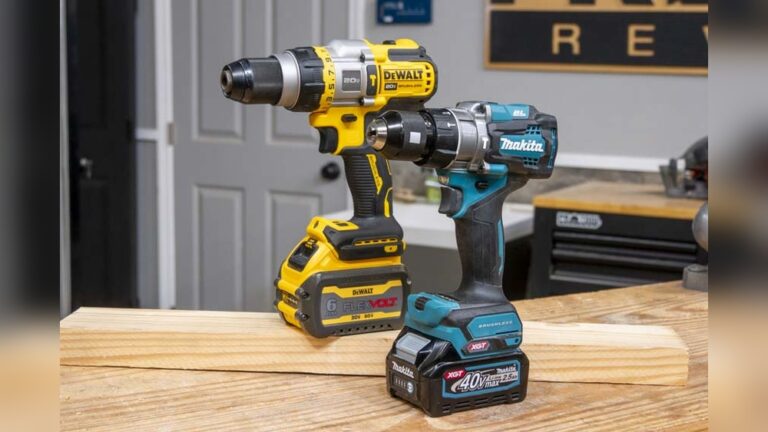
When you’re shopping for a new cordless drill, two names almost always come up: Dewalt and Makita. Professionals and DIY fans debate these brands for good reasons. Both offer powerful tools, smart designs, and strong reputations. But which one is truly better for your needs? The answer depends on several factors—like battery life, build quality, price, and even how the drill feels in your hand.
This guide digs deep into the Dewalt vs Makita cordless drill debate. You’ll discover not just the specs, but real-world insights you won’t see on the box. If you want to make a confident buying decision, read on. You’ll get honest comparisons, practical tips, and even a few things that most beginners overlook.
Brand Backgrounds: Dewalt And Makita
Before comparing drills, it helps to know where these brands come from and why they matter in the tool world.
Dewalt is an American brand founded in 1924. Known for its yellow-and-black tools, Dewalt focuses on construction, woodworking, and industrial markets. Their tools are often seen on professional job sites. Dewalt invests heavily in research and has a reputation for durability and innovation.
Makita started in Japan in 1915. They built their first power tool in 1958 and have since become a world leader in cordless technology. Makita’s teal-blue color is instantly recognizable. The company is praised for high-quality engineering, compact designs, and long-lasting motors.
Both brands are trusted worldwide, but their approaches sometimes differ. Dewalt leans toward ruggedness and raw power. Makita often focuses on smooth operation, ergonomics, and efficiency.
Key Features: What Really Matters In A Cordless Drill
Choosing between Dewalt and Makita is not just about the brand name or color. To choose well, you need to look at specific features that affect performance and user experience. Here’s what counts:
- Motor type (brushed or brushless)
- Battery system (voltage, amp-hours, compatibility)
- Torque and speed
- Chuck size and type
- Weight and balance
- Build quality
- Warranty and support
- Special features (LED lights, clutch settings, etc.)
Let’s break these down and see how Dewalt and Makita compare.
Motor Technology: Brushed Vs Brushless
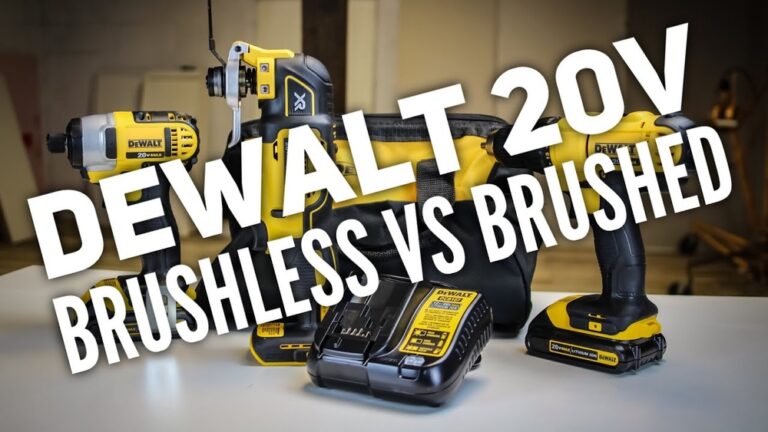
Both Dewalt and Makita offer brushed and brushless motors in their cordless drills. Brushed motors are cheaper but wear out faster. Brushless motors are more efficient, run cooler, and last longer.
Makita was an early leader in brushless technology. Their brushless drills are known for being quiet and efficient. Dewalt’s brushless drills are also excellent, delivering high power and long runtime.
Key insight: For most people, brushless is worth the extra cost. If you use your drill often, it will save you money and frustration over time.
Battery Systems: Runtime, Power, And Compatibility
The battery is the heart of any cordless drill. Both Dewalt and Makita use lithium-ion batteries, but their systems are not interchangeable.
- Dewalt: Uses 20V Max (which is 18V nominal, but the 20V label is for marketing in the US). Their batteries range from 1.5Ah to 12Ah. Dewalt’s FlexVolt batteries can switch between 20V and 60V for different tools.
- Makita: Uses 18V LXT batteries, with capacities from 1.5Ah up to 6Ah. Makita also has a unique 18V X2 system—using two 18V batteries together for more power.
Both brands have smart chargers and offer fast charging. Dewalt’s chargers are often a bit faster, while Makita’s batteries are sometimes lighter.
Non-obvious insight: If you already own tools from one brand, stick with the same battery system. Cross-brand compatibility is basically zero.

Credit: www.youtube.com
Torque, Speed, And Performance
Drill power is usually measured in torque (in-lbs or Nm) and speed (RPM). High torque is better for tough jobs like drilling into concrete or large screws. High speed is good for drilling holes in wood or metal.
Here’s a real-world comparison of two popular mid-range brushless drills from each brand:
| Feature | Dewalt DCD791D2 | Makita XFD10R |
|---|---|---|
| Max Torque | 460 UWO (about 70 Nm) | 480 in-lbs (about 54 Nm) |
| Max Speed | 2000 RPM | 1900 RPM |
| Battery | 20V Max, 2.0Ah | 18V, 2.0Ah |
| Weight (with battery) | 3.4 lbs (1.54 kg) | 3.3 lbs (1.5 kg) |
Both drills offer plenty of power for home and professional use. Dewalt often pushes a bit more torque and speed, but the difference is not huge for most tasks.
Pro tip: Always check the actual torque in Nm or in-lbs, not just marketing numbers. “Unit Watts Out” (UWO) is Dewalt’s unique power rating, which can be confusing.
Chuck Size, Clutch, And Usability
The chuck is the part that holds the drill bit. Both Dewalt and Makita usually offer 1/2-inch keyless chucks on their mid and high-end drills. This size is standard and supports most common bits.
Both brands provide multiple clutch settings (sometimes up to 21 or more). These let you control how much torque the drill applies—important for driving screws without stripping them.
Non-obvious insight: Makita’s chucks often have a smoother, more precise feel when tightening bits. Dewalt’s chucks are rugged but sometimes have more play over time.
Weight, Balance, And Ergonomics
Comfort is vital—especially if you use your drill for hours. Here’s how Dewalt and Makita compare in this area:
- Dewalt drills: Tend to be slightly heavier and sometimes feel top-heavy, but the handle grip is often thicker and fits larger hands well.
- Makita drills: Usually lighter and better balanced. The handle is slimmer, which can be more comfortable for smaller hands or longer use.
Real-world tip: Visit a store and hold both drills if you can. What feels right for one person may feel awkward for another.
Build Quality And Durability
Both Dewalt and Makita are known for strong builds. Cases are usually made from reinforced plastic with rubber overmold for grip. Metal gears and chucks are common in higher-end models.
- Dewalt: Known for “jobsite tough” designs. Many Dewalt drills survive drops, rain, and rough handling. Some include extra seals for dust resistance.
- Makita: Focuses on precision and quality control. Makita tools often last for years with minimal problems, but the plastic may feel a little less rugged than Dewalt.
Pro insight: Durability also depends on how you use and store your drill. Both brands can fail if abused, but Dewalt is more forgiving in tough conditions.

Credit: www.youtube.com
Price And Value
Both brands offer drills from entry-level to high-end. Prices can overlap, but Dewalt is sometimes a little more expensive—especially for kits with larger batteries or extra features.
Here’s a price comparison (mid-2024, US market):
| Model | Kit Price (approx.) | Includes |
|---|---|---|
| Dewalt DCD791D2 | $179 | 2 x 2.0Ah batteries, charger, case |
| Makita XFD10R | $159 | 2 x 2.0Ah batteries, charger, case |
| Dewalt DCD996P2 (Hammer Drill) | $249 | 2 x 5.0Ah batteries, charger, case |
| Makita XPH07T (Hammer Drill) | $239 | 2 x 5.0Ah batteries, charger, case |
Prices change, but both brands are competitive. Dewalt often includes slightly higher capacity batteries in their kits.
Common mistake: Only looking at tool price. Check what’s included—batteries and chargers can add up if bought separately.
Warranty And Service
Both companies back their tools with strong warranties:
- Dewalt: Three-year limited warranty, one-year free service, and 90-day money-back guarantee.
- Makita: Three-year limited warranty on tools and batteries.
Service centers are common for both brands in the US and Europe. Dewalt sometimes offers on-site service for professionals. Makita has a reputation for fast, hassle-free repairs.
Special Features And Innovations
Dewalt and Makita add smart features to their top drills:
- LED Lights: Dewalt’s lights are often brighter and stay on longer after you release the trigger. Handy in dark spaces.
- Belt Hooks: Both brands include these, but Dewalt’s are usually metal and more robust.
- Electronic Clutch/Smart Control: Some Makita drills have electronic controls to prevent overdriving screws or damaging material.
- Bluetooth/Battery Tracking: Dewalt’s Tool Connect and Makita’s LXT Advantage systems let you track tools and manage batteries with your phone.
Practical insight: Most users don’t need every feature. Focus on what you’ll actually use day-to-day.
Real-world Performance: Dewalt Vs Makita
Specs are important, but how do these drills work in the real world? Here’s what users and pros say:
- Dewalt drills: Handle tough tasks like drilling masonry or driving long screws without slowing down. They’re louder and heavier, but you feel the power.
- Makita drills: Excel at smooth, consistent driving. Less vibration and noise. Great for woodworking, cabinetry, and general repairs.
Example: If you’re building decks or working outside, Dewalt’s extra power and ruggedness may help. For precision work or long sessions, Makita’s lighter, balanced feel is less tiring.
Which One Is Right For You?
Choosing between Dewalt and Makita comes down to your needs, preferences, and what tools you already own. Here’s a summary to help:
Choose Dewalt If:
- You want maximum torque and power for heavy jobs.
- You already have Dewalt batteries or tools.
- You work on job sites or need a tool that can take abuse.
- You value features like FlexVolt batteries or strong LED lights.
Choose Makita If:
- You want a lighter, more balanced drill for long use.
- You care about quiet operation and low vibration.
- You own other Makita LXT tools.
- You do woodworking, cabinetry, or precision work.
Non-obvious tip: For most home users, both brands will perform well. But battery compatibility with your other tools can save you a lot of money over time.
Common Mistakes To Avoid
- Ignoring battery compatibility: Buying drills from different brands locks you into buying more chargers and batteries. Stick to one ecosystem if possible.
- Overpaying for unused features: A hammer drill is not always necessary unless you drill masonry often.
- Chasing maximum torque: More power is not always better. High torque can strip screws or damage wood if not controlled.
- Not considering weight: A lighter drill is usually better for overhead or long-term work.
- Forgetting about warranty and service: Check support in your area before buying, especially if you’re outside the US or Europe.
User Reviews And Community Feedback
Online reviews and forums are full of opinions. Here’s what stands out:
- Dewalt fans praise the brand’s ruggedness, power, and reliability in harsh conditions.
- Makita fans love the smooth operation, long battery life, and lower weight.
- Some users report Dewalt’s chucks loosen after a few years. Others say Makita drills can heat up under heavy load.
- Both brands have loyal followings, but most users agree: You can’t go far wrong with either for general use.
For more details, you can check the official websites and user communities, such as this Reddit Tools forum.
Summary Table: Dewalt Vs Makita Cordless Drill
Here’s a quick comparison to help you decide:
| Aspect | Dewalt | Makita |
|---|---|---|
| Power/Torque | High, jobsite-focused | Strong, but smoother delivery |
| Weight | Heavier | Lighter, better balance |
| Battery System | 20V Max, FlexVolt | 18V LXT, X2 system |
| Ergonomics | Thick grip, robust | Slim grip, comfortable |
| Durability | Extremely rugged | Highly reliable |
| Warranty | 3 years, strong service | 3 years, quick repairs |
| Best For | Heavy-duty, construction | Woodworking, general use |

Credit: toolguyd.com
Frequently Asked Questions
Which Brand Lasts Longer: Dewalt Or Makita?
Both Dewalt and Makita drills are built to last. Dewalt is famous for surviving tough job site abuse, while Makita is known for smooth operation and long motor life. If you take care of your tool, either can last many years.
Heavy-duty users may find Dewalt lasts a bit longer under constant hard use.
Can I Use Dewalt Batteries In Makita Drills?
No, Dewalt and Makita batteries are not compatible. Each brand uses its own battery shape, voltage, and connectors. Always buy batteries and chargers from the same brand as your drill.
Is Brushless Really Worth The Extra Cost?
Yes, for most users. Brushless motors are more efficient, give longer battery life, and last longer. While they cost more upfront, they save money in the long run—especially if you use your drill often.
Which Drill Is Better For Beginners?
Both Dewalt and Makita offer beginner-friendly cordless drills. Makita’s lighter weight and balanced design may be easier for first-time users. Dewalt’s ruggedness is helpful if you expect to drop or rough-handle your drill.
Are Dewalt And Makita Good For Professionals?
Absolutely. Both brands are trusted by professionals worldwide. Dewalt is often seen on construction sites, while Makita is popular with carpenters, electricians, and remodelers. Your choice depends on your specific needs and which brand you already own.
Whether you’re a hobbyist or a seasoned pro, choosing between Dewalt and Makita means picking between two of the best in the business. Focus on the features that matter most to you, and you’ll end up with a cordless drill that won’t let you down.